When it comes to workplace safety, the right respirator filter can mean the difference between protection and dangerous exposure. Dentec Safety Specialists offers the Comfort-Air® Series filter assemblies, designed for a wide range of applications that can be interchanged between any Dentec Comfort-Air® Series half mask and full-face respirators. Dentec Safety offers three main types: Silicone (100 Series), Thermoplastic Elastomer (TPR) (300 Series), and Standard Elastomeric (generic rubber blend) (400 & 400NX Series. This guide explains each filter type, what it protects against, and where it’s commonly used—so you can make the right choice for your job.
*Not sure which half mask respirator is right for you? Be sure to check out: Choosing the Right Respirator for the Job: Silicone, TPR, or Elastomeric Half Masks – Dentec Safety Specialists | Canada

Why Filter Selection Matters
Not every filter protects against the same hazards. Some are designed for dust, mist, fumes, oil based and non-oil based particulate aerosols, while others deal with vapors or gases. In Canada, filters must meet NIOSH requirements and match your exposure risk.
Always check your Safety Data Sheet (SDS) and consult with your safety officer or industrial hygienist before choosing a filter.
Comparison of Dentec Comfort-Air® Filters
N95 Filter Assembly
- Protects Against: Non-oil particulates aerosols such as silica, welding fume, sawdust, grain dust, and viruses such as COVID-19
- Applications: Construction, welding, woodworking, manufacturing
- Notes: Lightweight and economical
N95 Filters
-
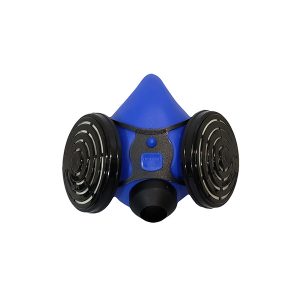
COMFORT-AIR® SERIES 100 SILICONE COMPLETE WITH N95 FILTERS – SMALL
$50.00 -
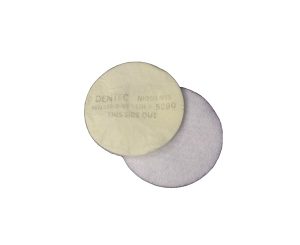
#15F158DN5B100 COMFORT-AIR® N95 FILTER PAD (BULK PACK OF 100)
$129.80 -
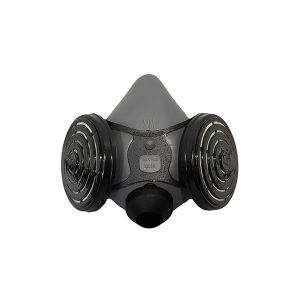
COMFORT-AIR® SERIES 300 THERMOPLASTIC COMPLETE WITH N95 FILTERS – SMALL/MEDIUM
$35.00 -
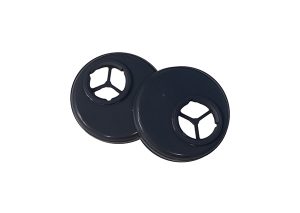
#15F14880 COMFORT-AIR® N95 OR R95 FILTER HOLDER FOR SERIES 100, 300 & 400 MASKS (6/PACK)
$8.38 -
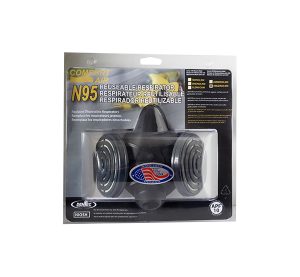
COMFORT-AIR® SERIES 400 COMPLETE WITH N95 FILTERS – SMALL/MEDIUM IN CLAMSHELL
$34.00
R95 Filter Assembly
- Protects Against: Oil and non-oil particulates aerosols (up to 8 hours)
- Applications: Oil & gas, metalworking, painting, maintenance
- Notes: Best for short-term oil exposure
R95 Filters


P100 Filter Assembly
- Protects Against: Oil and non-oil particulate aerosols, toxic dusts, asbestos, lead, brake dust, viruses such as COVID-19
- Applications: Asbestos/lead abatement, mining, pharma, biotech
- Notes: Highest level of particulate protection
P100 Cartridges
-

#15F158TLP0 COMFORT-AIR® P100 LOW PROFILE CARTRIDGE (6/BOX)
$55.62 -

COMFORT-AIR® SERIES 100 SILICONE COMPLETE WITH P100 CARTRIDGES – SMALL IN CLAMSHELL
$64.00 -

COMFORT-AIR® SERIES 300 THERMOPLASTIC COMPLETE WITH P100 CARTRIDGES – MEDIUM/LARGE IN CLAMSHELL
$48.00 -

COMFORT-AIR® SERIES 400 ELASTOMERIC COMPLETE WITH P100 CARTRIDGES – MEDIUM/LARGE
$46.50 -

Comfort-Air®NxMD WHITE Elastomeric Rubber Half Mask W/O An Exhalation Valve – P100 Cartridges
$63.00


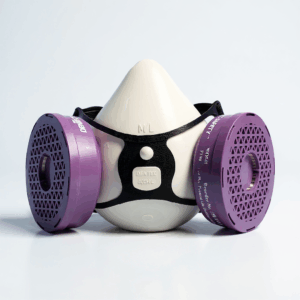
Diskit® P100 Filter Assembly
- Protects Against: Same as P100 with a compact profile
- Applications: Glass fiber work, exotic welding, odor-prone tasks
- Notes: Slim design for better visibility and comfort
Diskit® P100 Filters
-

COMFORT-AIR® SERIES 100 HALF MASK SILICONE RUBBER WITH DISKIT® P100OV FILTERS
$64.50 -

#15FDISKITP100OV DISKIT® P100OV FILTER (10PR/PKG)
$114.40 -

COMFORT-AIR® SERIES 300 THERMOPLASTIC RUBBER COMPLETE WITH DISKIT® P100OV FILTERS
$50.40 -

COMFORT-AIR® SERIES 130M SPECIAL COMPOSITE SILICONE COMPLETE WITH DISKIT® P100 FILTERS – UNIVERSAL FIT
$235.90 -

COMFORT-AIR® SERIES 400 ELASTOMERIC COMPLETE WITH DISKIT® P100OV FILTERS
Price range: $42.50 through $44.50


OV/N95 Filter Assembly
- Protects Against: Organic vapors + non-oil particulates
- Applications: Spray painting, pesticides, light welding
OV/N95 Filter
-

COMFORT-AIR® SERIES 100 SILICONE COMPLETE WITH OV/N95 FILTERS – LARGE
$60.40 -

COMFORT-AIR® SERIES 300 THERMOPLASTIC COMPLETE WITH OV/N95 FILTERS – MEDIUM/LARGE IN CLAMSHELL
$52.00 -

COMFORT-AIR® SERIES 400 ELASTOMERIC COMPLETE WITH OV/N95 FILTERS – SMALL/MEDIUM IN DISPLAY BAG
$39.00 -

#15F158T20DN5 COMFORT-AIR® ORGANIC VAPOR CARTRIDGE WITH N95 PREFILTER & RETAINER (1 PAIR)
$21.74


OV/R95 Filter Assembly
- Protects Against: Organic vapors + oil/non-oil particulates (up to 8 hours)
- Applications: Refining, agriculture, automotive
OV/ R95 Filters
-
COMFORT-AIR® SERIES 100 SILICONE COMPLETE WITH OV/R95 FILTERS
Price range: $42.00 through $60.40 -
COMFORT-AIR® SERIES 300 THERMOPLASTIC COMPLETE WITH OV/R95 FILTERS – SMALL/MEDIUM IN CLAMSHELL
$52.00 -

COMFORT-AIR® SERIES 400 ELASTOMERIC COMPLETE WITH OV/R95 FILTERS – SMALL/MEDIUM IN DISPLAY BAG
$39.00 -
#15F158T20DR5 COMFORT-AIR® ORGANIC VAPOR CARTRIDGE WITH R95 PREFILTER & RETAINER (1 PAIR)
$21.74


Diskit® P100/OV Filter Assembly
- Protects Against: Oil and non-oil particulate aerosols, toxic dusts, nuisance levels of organic vapor nuisance odors and ozone
- Applications: Glass fiber, exotic welding, odor-heavy environments
Diskit®P100/OV Filters
-
#15FDISKITP100OV DISKIT® P100OV FILTER (10PR/PKG)
$114.40 -

COMFORT-AIR® SERIES 100 SILICONE COMPLETE WITH DISKIT® P100 FILTERS – LARGE IN DISPLAY BAG
$58.00 -
COMFORT-AIR® SERIES 300 THERMOPLASTIC RUBBER COMPLETE WITH DISKIT® P100OV FILTERS
$50.40 -
COMFORT-AIR® SERIES 400 ELASTOMERIC COMPLETE WITH DISKIT® P100OV FILTERS
Price range: $42.50 through $44.50

Cartridge Options
For custom configurations, cartridges and filters are available:
- Particulate only: N95, R95, P100, Diskit® P100
- Gas & Vapor only: Organic Vapor (black), Acid Gas (white), Ammonia/Methylamine (green), Acid Gas + OV (yellow), Multi-gas (olive)
What Are Combination Filters/ Cartridges?
Combination filters protect against both airborne particulate aerosols (dust, mist, fumes) and gases or vapors. Each combination filter joins a particulate filter (like N95, R95, or P100) with a chemical cartridge (examples; organic vapors, acid gases, or ammonia).
These filters are used when you face mixed hazards—for example, during spray painting, pesticide handling, or welding—where both dangerous particles and toxic vapors are present at the same time.
Common combination assemblies include OV/N95 (Organic Vapor + N95), OV/R95 (Organic Vapor + R95), and P100/OV (P100 + Organic Vapor). Many Dentec Comfort-Air® combination cartridge options offer this type of protection for tough environments.
Combination Cartridges
-
#15F158T21LP0 COMFORT-AIR® COMBINATION ACID GASES & P100 CARTRIDGE 4/BOX
$76.40 -

#15F158T20LP0 COMFORT-AIR® COMBINATION ORGANIC VAPOR & P100 CARTRIDGE 4/BOX
$82.54 -

#15F158T27LPOB60 COMFORT-AIR® COMBINATION MULTI-VAPOUR GAS CARTRIDGE & P100, 60/BOX
$1,218.00 -

#15F158T22LP0B60 COMFORT-AIR® COMBINATION AMMONIA/METHYLAMINE & P100 CARTRIDGE 60/BOX
$1,124.60 -
#15F158T26LP0 COMFORT-AIR® COMBINATION ACID GASES/ORGANIC VAPOR & P100 CARTRIDGE 4/BOX
$76.40


When to Use Combination Filters:
- Tasks produce both dust/fumes/mists, oil based and non oil based particulate aerosols and chemical vapors or gases.
- Labels (like SDS or pesticide instructions) say you need dual protection
- Occupations: painting, agricultural spraying, exotic welding, maintenance in odor-heavy or chemical-rich places
Combination filters keep you safe when hazards aren’t just one type—so they’re often required in jobs with mixed exposure.
- Combination filters: OV/P100, AG/P100, Ammonia/P100, OV/AG/P100, Multi-gas/P100
How to Choose the Right Filter
- Identify the hazard: Is it particulate, vapor, gas, or a combination?
- Check for oil or non oil based particulate aerosol exposure: This determines N95, R95, or P100
- Use SDS sheets: Confirm chemical or dust hazards.
- Consider task duration: R95 is limited to 8 hours; P100 lasts longer for oil based particulate aerosol
- Fit test your respirator: Must comply with CSA Z94.4 (Canada).
- Set change-out schedules: Based on exposure and breathing resistance.
FAQ: Dentec Comfort-Air® Respirator Filters

What’s the main difference between N95 and P100 filters?
N95 filters catch at least 95% of non-oil particulates. P100 filters trap at least 99.97% of all types of particulates—including oil-based—making them better for high-risk work. For a detailed breakdown, see Dentec’s guide on filter ratings.
Read more: Difference Between N95 and P100 Filters – Dentec Safety
How long does an N95 filter last?
N95 filters, filter non-oil based particle aerosols. The indicator to change the filter is when breathing resistance occurs, it becomes difficult to breathe.
Learn more: Dentec N95 Filter Pads
How long does an R95 filter last?
R95 filters block oil- and non-oil based particle aerosols for one work shift (up to eight hours). After eight hours or if breathing becomes difficult, replace the filter.
Learn more: Dentec R95 Filter Pads
When should you change your respirator filter or cartridge?
Use P100 filters when working with toxic dust, lead, asbestos, or viruses. Combination filters are for mixed hazards, like painting or exotic welding, where you face both particulates and vapors.
Explore options: Dentec Comfort-Air® Series 100 P100 Mask
How do you choose the right respirator filter in Canada?
Start by identifying your exposure (particulate, vapor, gas) by conducting a hazard analysis. Check the Safety Data Sheet (SDS). For any oil based particle aerosols exposure, choose R95 or P100. Fit testing is required under CSA Z94.4. Set filter change-out based on usage and resistance.
Download: Dentec’s Guide to Choosing the Right Respiratory Filters
Are Dentec Comfort-Air® half masks compatible with other cartridge brands?
No. Use only Dentec cartridges and filters for a secure fit and certified safety—the “Saf-Twist” design is exclusive to Dentec products.
Conclusion
Filter selection is not just about compliance—it’s about safety. Dentec’s Comfort-Air® filters give you options for every exposure type, from dust to toxic vapors. Choosing the right filter ensures that your respiratory protection truly protects you.
Need help selecting the right filter?
Visit contact us directly to speak to one of our safety specialists.