As summer temperatures rise across Canada, so does the risk of heat stress and dehydration in the workplace. For those in construction, manufacturing, and other industrial sectors, staying hydrated isn’t just about comfort—it’s a critical component of safety and productivity. This guide provides simple, effective workplace hydration strategies to help you and your team beat the heat, maintain peak performance, and prevent dangerous heat-related illnesses.
Why Workplace Hydration is Non-Negotiable in Canada’s Summer Heat
Working in the heat without adequate fluid intake can quickly lead to dehydration. This condition impairs both physical and cognitive functions, increasing the risk of accidents and errors. Dehydration can reduce concentration, slow reaction times, and cause muscle fatigue, turning a routine task into a potential hazard.
At Dentec Safety Specialists, our mission is to protect workers from all workplace hazards. While we are known for our innovative Personal Protective Equipment (PPE), we believe that a truly safe work environment is built on a foundation of knowledge and proactive measures, including fundamental practices like proper hydration.
Recognizing the Sneaky Signs of Dehydration
One of the biggest dangers of dehydration is that its early signs are often subtle and can be easily dismissed as simple fatigue. It’s crucial for every worker and supervisor to recognize the symptoms before they escalate.
| Stage of Dehydration | Common Signs & Symptoms |
| Early to Moderate | Thirst, dry mouth, fatigue, headache, dizziness or lightheadedness, decreased urine output, dark yellow urine. |
| Severe | Extreme thirst, irritability and confusion, lack of sweating, sunken eyes, rapid heartbeat and breathing, very dark or no urine, unconsciousness. |
Immediate Action Required: If a worker shows signs of severe dehydration, it is a medical emergency. Move them to a cool place, provide sips of water if they are conscious, and call for medical help immediately.
Proactive Hydration Strategies for Every Workplace
Preventing dehydration is a shared responsibility. By implementing strategies at both the organizational and individual levels, you can create a culture of safety that keeps everyone protected.
For the Employer: Creating a Hydration-Friendly Environment
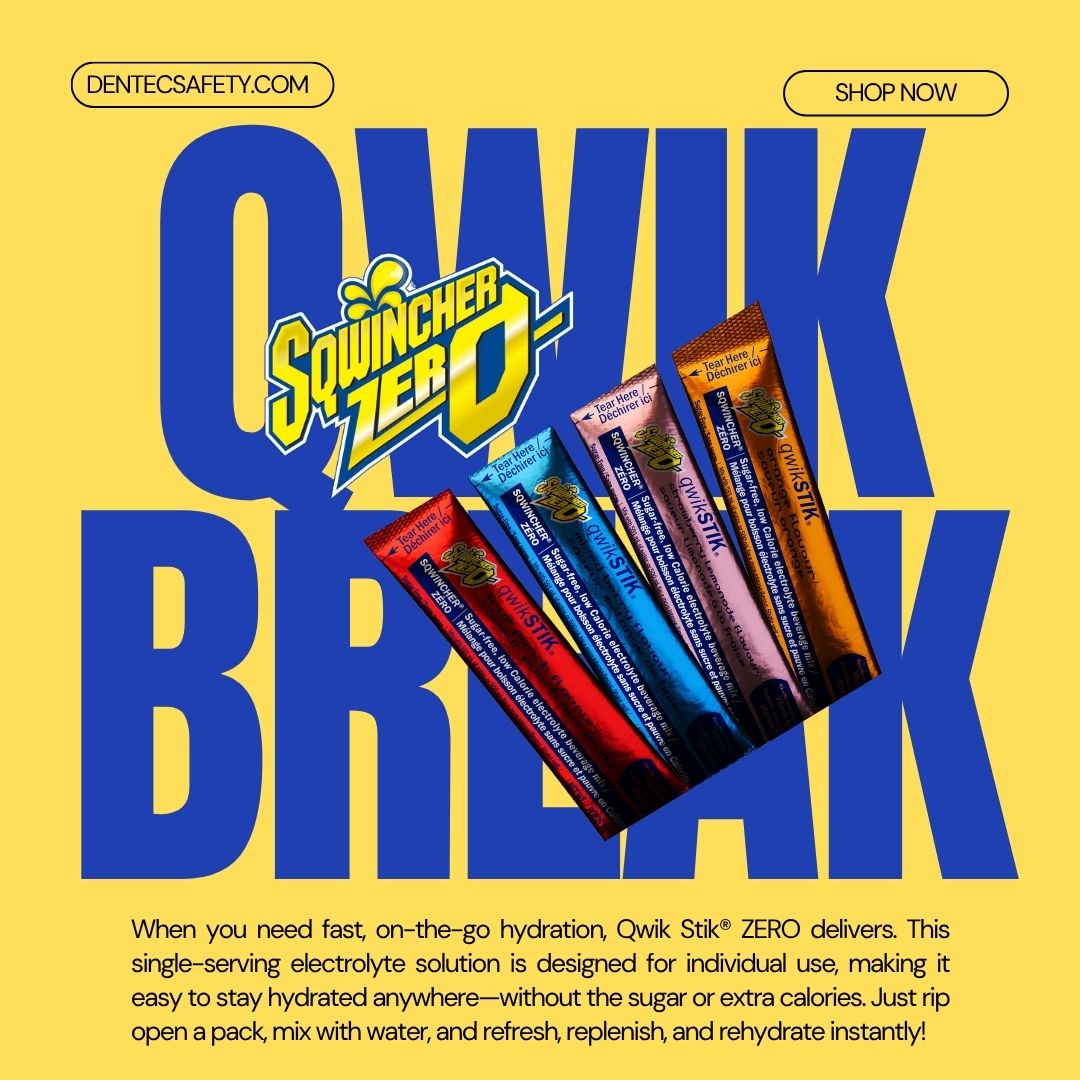
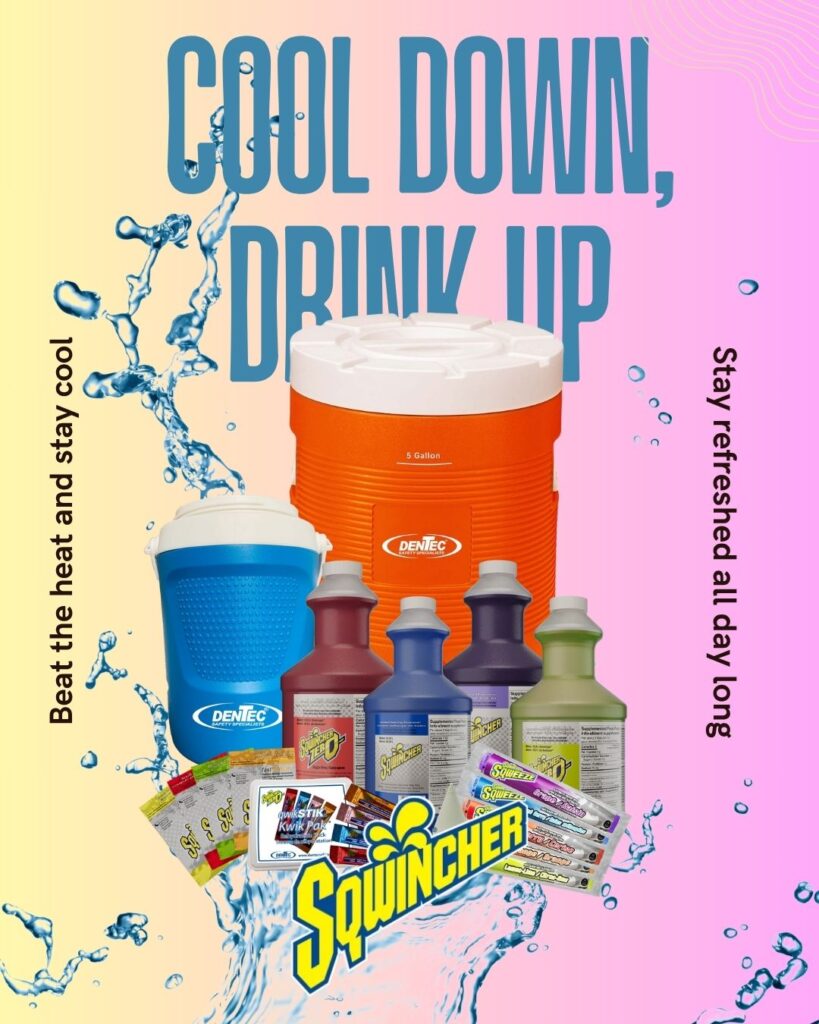
- Provide Electrolyte Solutions Like Sqwincher®: Beyond water, Sqwincher® helps replenish key electrolytes—like sodium and potassium—lost through sweat. It’s a trusted solution used in industrial settings for over 40 years.
- Make Fluids Accessible: Install coolers or hydration stations near work zones with both water and Sqwincher® options.
- Schedule Regular Hydration Breaks: Encourage workers to take short, frequent breaks to drink water, especially during peak heat hours. Don’t wait for them to ask.
- Educate Your Team: Hold brief safety meetings (toolbox talks) to discuss the importance of hydration, the signs of dehydration, and your company’s hydration policy.
- Lead by Example: When supervisors and managers are seen drinking water or electrolyte replenishment beverages regularly, it reinforces the importance of the practice for the entire team.
- Consider Electrolyte Drinks: For jobs involving physical exertion and sweating, make electrolyte-replacement drinks available to help replenish essential minerals lost through sweat.
Sqwincher: Scientifically Formulated Internal PPE


For the Employee: Taking Personal Responsibility
- Drink Before You’re Thirsty: Thirst is a sign that your body is already becoming dehydrated. Aim to drink water consistently throughout the day. A general guideline is one cup (250 ml) every 20 minutes during strenuous work in the heat.
- Monitor Your Urine Colour: A simple way to check your hydration level is to look at the colour of your urine. Pale yellow or clear indicates good hydration, while dark yellow or amber is a clear sign you need to drink more fluids.
- Eat Your Water: Many fruits and vegetables have high water content and can contribute to your hydration. Pack snacks like watermelon, cucumbers, oranges, and strawberries.
- Acclimatize to the Heat: If you are new to a hot work environment, your body needs time to adapt. Gradually increase your workload and time spent in the heat over several days. For more detailed guidance, refer to resources from the Canadian Centre for Occupational Health and Safety (CCOHS).
Beyond Water: What to Drink (and What to Avoid)
While water should always be the primary hydration source, electrolyte-replacement beverages like Sqwincher® provide a critical edge for workers under physical strain.
- Best Choices:
- Water: Essential for hydration and optimal absorption.
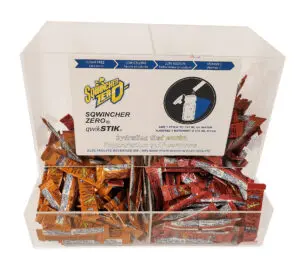
- Sqwincher®: Scientifically formulated to replenish electrolytes without high sugar or caffeine. Available in powders, concentrates, and freeze pops—making it easy to integrate into any jobsite.
- Choices to Avoid or Limit:
- Sugary Sodas and Fruit Juices: The high sugar content can slow down water absorption and lead to energy crashes.
- Caffeinated Drinks (Coffee, Tea, Cola): Caffeine is a diuretic, meaning it can cause your body to lose more fluid. Limit your intake during hot workdays.
- Energy Drinks: These are often high in both sugar and caffeine, a combination that works against proper hydration.
Your Summer Safety Checklist: Key Takeaways
Staying safe in the summer heat is simple when you prioritize hydration. Remember these key points:
- Prevent, Don’t React: Drink fluids proactively throughout the day.
- Know the Signs: Educate yourself and your team on the symptoms of dehydration.
- Reach for Sqwincher® – Support hydration and performance with electrolytes.
- Employer & Employee Responsibility – Build a culture of hydration.
- Hydration is PPE – Treat fluids like any other protective measure on the job
Don’t let the heat compromise your team’s safety or performance this summer. With the right plan—and the right products like Sqwincher®—you can stay productive, protected, and hydrated.
Explore Dentec Safety Specialists’ full line of PPE and hydration solutions, including Sqwincher®, to equip your workforce for success in every season.