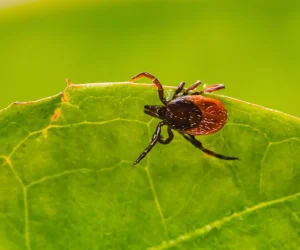
As warmer weather arrives across Canada, so do pesky insects like mosquitoes and ticks. Protecting yourself from bites isn’t just about avoiding itchy discomfort; it’s a crucial step in preventing insect-borne illnesses. This article dives into the most common insect repellents – DEET, Picaridin (often called Icaridin in Canada), and various natural options – to help you choose the best protection for your needs this season.
Why Insect Repellents Matter in Canada
From coast to coast, Canadians enjoy the great outdoors, but this also means exposure to biting insects. Workers that have to work in the outdoors are also exposed to these annoying and potential dangerous insect bites. Mosquitoes can transmit West Nile Virus, while ticks, particularly blacklegged ticks, can carry Lyme disease. Using an effective insect repellent is a primary defense against these potential health risks. All provincial workplace regulations require the employer to either remove a hazard for the employee or provide personal protective equipment. When protecting against insect bites, you can use protective clothing, personal insect repellents and/or insecticides to keep the working area free of insects if possible.
According to Health Canada, “using an approved insect repellent is one of the best ways to protect yourself and your family from mosquito and tick bites.”
Understanding Your Repellent Options
When you’re browsing the shelves, the choices can seem overwhelming. Let’s break down the main contenders:
DEET: The Long-Standing Standard
DEET (N,N-diethyl-meta-toluamide) has been used for decades and is often considered the gold standard for insect repellents due to its effectiveness and extensive research.
How it Works: DEET doesn’t kill insects but makes it harder for them to smell you, effectively creating an invisible barrier.
- Pros:
- Highly effective against a wide range of insects, including mosquitoes, ticks, black flies, and chiggers.
- Protection duration is generally longer, especially at higher concentrations.
- Cons:
- Can have a distinct odor.
- May cause skin irritation in some individuals.
- Can damage plastics, rayon, spandex, and other synthetic fabrics, as well as leather and painted or varnished surfaces.
- Concentration: Health Canada recommends products with up to 30% DEET for adults and children over 12 years. For children aged 2 to 12 years, use products with up to 10% DEET, and for children 6 months to 2 years, one application per day of 10% DEET can be used in situations with high risk of complications from insect bites. Not recommended for infants under 6 months.
Picaridin (Icaridin): The Effective Alternative
Picaridin, also known as Icaridin in Canada and KBR 3023, is a synthetic repellent developed in the 1980s, modeled after a compound found in pepper plants.
How it Works: Similar to DEET, Picaridin blocks an insect’s ability to sense human scent.
- Pros:
- Effective against mosquitoes, ticks, and flies.
- Generally considered to have little to no odor.
- Less likely to cause skin irritation than DEET.
- Does not damage plastics or synthetic fabrics.
- Cons:
- May offer slightly less protection time against some tick species compared to high-concentration DEET in some studies.
- Concentration: Health Canada recommends products with up to 20% Picaridin (Icaridin) for adults and children over 6 months old.
Natural Insect Repellents: Eco-Friendly Choices
Many people prefer natural alternatives. While some can be effective, their protection often doesn’t last as long as DEET or Picaridin.
- Common Ingredients:
- Oil of Lemon Eucalyptus (OLE) / PMD: PMD (p-Menthane-3,8-diol) is the active ingredient derived from lemon eucalyptus leaves. This is the most effective plant-based repellent recognized by health authorities.
- Soybean Oil: Offers moderate protection for a shorter duration.
- Citronella Oil: Provides very short-term protection (often less than an hour).
- Other Essential Oils: Peppermint, lemongrass, geranium, cedarwood. Effectiveness varies greatly, and they often require frequent reapplication.
- Pros:
- Often have a more pleasant scent.
- Perceived as gentler by some users (though essential oils can still cause skin irritation if not properly diluted).
- Plant-based options are biodegradable.
- Cons:
- Generally shorter protection times, requiring more frequent reapplication.
- Effectiveness can vary significantly between products and insect types.
- Oil of Lemon Eucalyptus (OLE) / PMD products should not be used on children under 3 years old.
- “Pure” essential oils (undiluted) should not be applied directly to the skin.
Quick Comparison: DEET vs. Picaridin vs. Natural Options
| Feature | DEET | Picaridin (Icaridin) | Natural (OLE/PMD) | Other Naturals (Citronella, etc.) |
| Effectiveness (Mosquitoes) | High | High | Moderate to High | Low to Moderate |
| Effectiveness (Ticks) | High | Moderate to High | Moderate | Low |
| Duration | Long (concentration-dependent) | Moderate to Long (conc.-dependent) | Moderate (shorter than DEET/Picaridin) | Short |
| Odor | Distinct, can be strong | Low to no odor | Pleasant, lemony | Varies, often strong |
| Skin Feel/Irritation | Can be oily, potential for irritation | Lighter feel, less irritation potential | Can be oily, potential for irritation | Varies, potential for irritation |
| Material Compatibility | Can damage plastics & some synthetics | Generally safe for plastics & fabrics | Generally safe | Generally safe |
| Health Canada Approved for Children | Yes (age/conc. restrictions) | Yes (over 6 months) | No (not under 3 years for OLE/PMD) | Varies, check labels |
Choosing the Right Repellent for Your Needs
The “best” insect repellent depends on your specific situation:
- High-Risk Areas/Activities: For extended periods outdoors in areas with high mosquito or tick populations (e.g., dense woods, backcountry camping), DEET (20-30%) or Picaridin (20%) are generally recommended for maximum protection.
- Casual Outdoor Use: For shorter durations like backyard BBQs or evening walks, Picaridin, lower concentration DEET, or an effective natural option like OLE/PMD may suffice.
- Children: Always follow age and concentration guidelines. Picaridin (20%) is an excellent choice for children over 6 months. For DEET, stick to 10% for children 6 months to 12 years (with specific application limits for younger children). OLE/PMD is not for children under 3.
- Sensitive Skin: Picaridin is often better tolerated than DEET. Always do a patch test with any new repellent.
- Preference for Natural: If you prefer a natural option, choose one containing Oil of Lemon Eucalyptus (PMD) for the most reliable protection among plant-based repellents. Be prepared to reapply more frequently.
Protecting You from Head to Toe—Including Insects
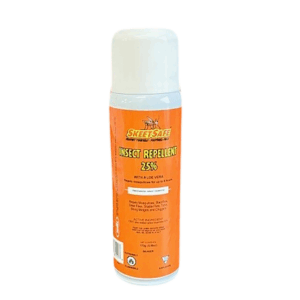
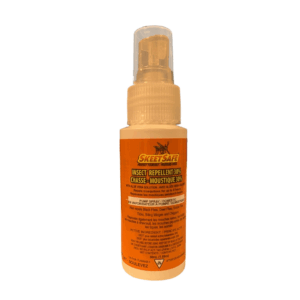
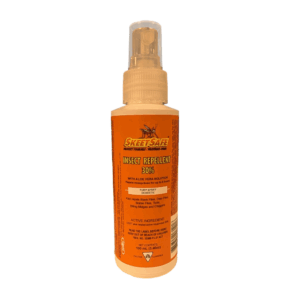
At Dentec Safety Specialists, we believe that true workplace safety goes beyond helmets and respirators—it includes protection from environmental risks like insects. That’s why we offer solutions like our SkeetSafe® line of insect repellents, designed to help outdoor workers stay safe and comfortable on the job. Whether you’re tackling tasks in the woods, fields, or construction zones, Dentec is committed to providing reliable, high-quality PPE that supports your safety from every angle.
SkeetSafe Insect Repellents
Tips for Effective Insect Repellent Use
- Apply to Exposed Skin and Clothing: Do not apply repellent under clothing.
- Avoid Sensitive Areas: Keep repellent away from eyes, mouth, cuts, or irritated skin.
- Adults Apply to Children: Adults should apply repellent to children, avoiding their hands (as children may put hands in their mouths).
- Wash Hands: Wash your hands after applying repellent.
- Reapply as Directed: Follow label instructions for reapplication times, especially after swimming or heavy sweating.
- Don’t Over-Apply: Use enough to cover exposed skin and clothing lightly.
- Consider Permethrin for Clothing (Not Skin): For added protection, especially against ticks, consider treating clothing and gear (tents, backpacks) with permethrin-based products. Permethrin is an insecticide, not a repellent, and should never be applied directly to skin.

Stay Protected This Season
Choosing the right insect repellent is a vital step in enjoying Canada’s beautiful outdoors safely. DEET and Picaridin (Icaridin) offer the most robust and longest-lasting protection against a wide range of biting insects. For those seeking natural alternatives, products containing Oil of Lemon Eucalyptus (PMD) are the most effective plant-based option.
Evaluate your needs based on activity, duration, and personal preference, always adhering to Health Canada guidelines. By making an informed choice, you can significantly reduce your risk of bites and enjoy a safer, more comfortable outdoor experience.
For comprehensive industrial safety solutions, explore Dentec Safety Specialists’ range of PPE to ensure you and your team are protected on the job, indoors and out.