On any Canadian job site—whether it’s a construction project in Toronto or an oil field in Alberta—a hard hat is mandatory personal protective equipment (PPE). But not every hard hat offers the same level of protection. Choosing between a Type 1 and Type 2 hard hat is a key safety decision that depends on the hazards you face. Knowing the difference ensures you’re wearing the right protection when it matters most.
Understanding Hard Hat Classifications
In Canada, the Canadian Standards Association (CSA) defines how hard hats should perform under standard CSA Z94.1-15: Industrial Protective Headwear. Hard hats are classified by:
- Type: Impact protection
- Class: Electrical protection
This article focuses on the difference between Type 1 and Type 2—the impact ratings that determine how your hard hat absorbs physical force.
What Is a Type 1 Hard Hat?
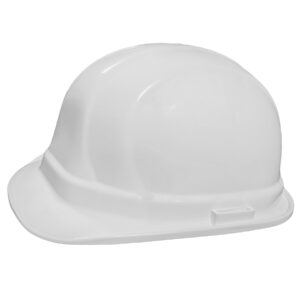
A Type 1 hard hat protects from impacts to the top of the head only. It’s built to handle falling objects that come directly from above. The suspension system distributes the impact’s force to limit injury.
Type 1 Hard Hats

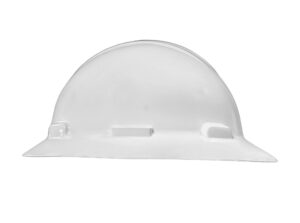

Use a Type 1 hard hat when working in:
- General construction sites
- Manufacturing or warehouse settings
- Landscaping or road work
- Areas with overhead object risks only
What Is a Type 2 Hard Hat?
A Type 2 hard hat protects against top and side impacts (lateral protection). It includes a high-density foam liner that absorbs energy from angled or side blows, as well as vertical ones. This makes it ideal for environments where the hazard can come from any direction.
Type 2 Hard Hats
Use a Type 2 hard hat when working in:
- Elevated areas or scaffolding
- Confined or tight spaces
- Forestry, mining, or utility work
- Sites with swinging loads or moving equipment
Key Differences: Type 1 vs. Type 2
| Feature | Type 1 Hard Hat | Type 2 Hard Hat |
| Impact Protection | Top only | Top and sides |
| Primary Hazard | Falling objects from above | Impacts from any angle |
| Inner Lining | Suspension system only | Suspension + foam liner |
| Typical Environment | Ground-level or general construction | Heights, tight spaces, dynamic sites |
For reference, see CSA Z94.1-15 guidelines for official performance details.
Choosing the Right Hard Hat
Start with a hazard assessment to identify where head injuries may occur. Consider:
- What are the main sources of potential head impacts?
- Do risks come from above or from any angle?
- Are workers exposed to moving equipment or confined spaces?
- What do provincial regulations require?
For step-by-step guidance, the Canadian Centre for Occupational Health and Safety (CCOHS) and WorkSafeBC offer reliable resources on PPE selection and safety assessment.
If there’s any risk of side or angled impact, a Type 2 hard hat is the safer choice.
Don’t Forget Electrical Classes
Impact type and electrical class are independent ratings. Electrical class defines protection from voltage hazards:
- Class E (Electrical): Up to 20,000 volts
- Class G (General): Up to 2,200 volts
- Class C (Conductive): No electrical protection
Always verify both Type and Class markings before purchase.
Dentec’s Commitment to Safety
At Dentec Safety Specialists, we design equipment that protects Canadian workers from real-world hazards. Our LIDGUARD® hard hats—available in both Type 1 and Type 2—are made in Canada, CSA/ANSI certified, and engineered for comfort and balance.
Each model offers superior ventilation, a secure fit, and universal compatibility with accessories.
Conclusion: Protection That Matches the Risk
Choosing between a Type 1 and Type 2 hard hat isn’t about one being “better.” It’s about the right protection for the specific hazards of your job.
- Type 1: Top-impact protection
- Type 2: Top and side impact protection
With Dentec’s LIDGUARD®, you never have to compromise on safety or comfort.
Frequently Asked Questions (FAQ)
1. What does “CSA-approved” mean for hard hats?
It means the hat meets the safety and performance standards defined under CSA Z94.1-15, ensuring it has passed impact, penetration, and electrical resistance tests.
2. Can Type 2 hard hats replace Type 1 models everywhere?
Type 2 offers more protection, but they can be heavier or warmer. Always match the hat type to your specific hazards and comfort needs.
3. How often should I replace my hard hat?
Most manufacturers recommend replacing hard hats every five years or sooner if there are cracks, fading, or visible damage. The suspension system should be replaced every one to two years.
4. Can I drill holes or paint my hard hat?
No. Modifying a hard hat compromises its integrity and voids certification. Only use accessories approved by the manufacturer.
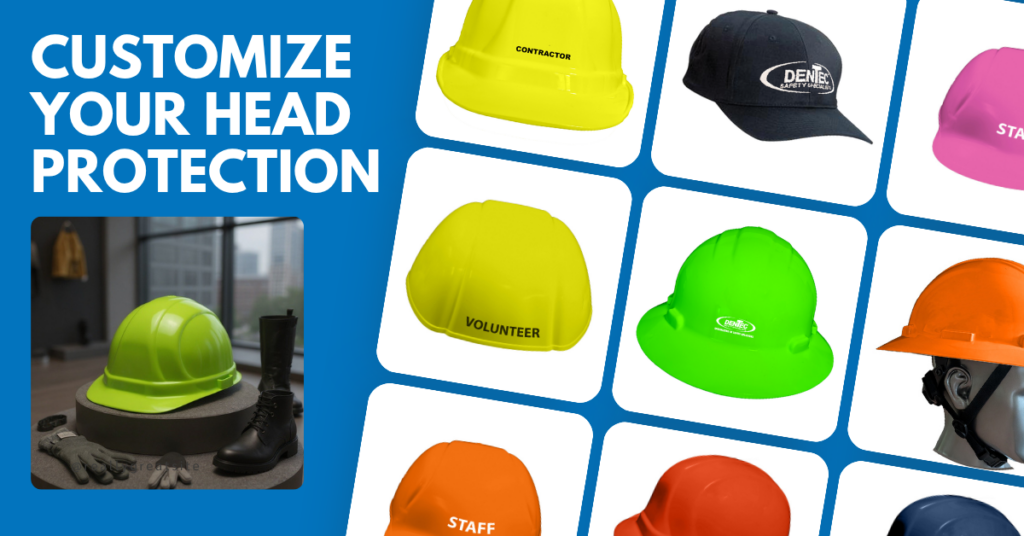
5. Can I customize my hard hat?
Yes. Dentec Safety makes private labeling your PPE simple and effective with state-of-the-art custom imprinting technology. Our high-speed pad printing system delivers crisp, vibrant results in up to 5 colours and on 4 imprint locations—ideal for visibility and professionalism across all LIDGUARD® hard hats.
Why add your logo?
- Stand Out: Differentiate your PPE with your own branding.
- Professional Image: Show your team takes safety seriously while staying identifiable on-site.
- Boost Recognition: Build brand trust and visibility across jobs.
- One-Stop Customization: Handle printing and labeling through Dentec’s full-service program.
- Fast Turnaround: Quick, efficient printing with consistent quality.
- Personalized Service: Our team works with you to deliver exactly what you need.
Visit our Custom Imprinting page to learn more or request a quote.
6. Where can I learn more about provincial hard hat regulations?
Check out resources from: