
With Canada’s diverse landscapes come various wildlife encounters, including the increasing presence of ticks. For outdoor workers, this poses a significant risk of tick bites and Lyme disease. This article dives into the essentials of tick removal kits, why they are vital for Canadian workers, and how proper preparedness can protect your team from tick-borne illnesses.
Ticks are becoming more prevalent across Canada, bringing with them the serious threat of Lyme disease and other infections. Equipping your outdoor workforce with the knowledge and tools for tick safety is no longer optional—it’s a crucial part of workplace health and safety.
Why Tick Safety is Crucial for Canadian Workers
Ticks, particularly blacklegged ticks (deer ticks), can transmit Borrelia burgdorferi, the bacterium that causes Lyme disease. Cases of Lyme disease are on the rise in Canada, with endemic areas expanding. Workers in forestry, landscaping, agriculture, construction, utilities, and parks and recreation are at higher risk due to prolonged exposure to tick habitats like wooded areas, tall grasses, and leaf litter.

Key Risks Associated with Ticks in Canada:
- Lyme Disease: Symptoms can range from a characteristic rash, fever, and fatigue to more severe neurological and cardiac problems if left untreated.
- Other Tick-Borne Diseases: Though less common than Lyme, anaplasmosis, babesiosis, and Powassan virus are also concerns.
- Lost Work Time: Tick-borne illnesses can lead to significant absenteeism and reduced productivity.
- Long-Term Health Complications: Chronic Lyme disease can have debilitating long-term effects.
According to Health Canada, tick populations are growing in many parts of Southern and Eastern Canada, including British Columbia, Manitoba, Ontario, Quebec, New Brunswick, and Nova Scotia.

What Makes an Effective Tick Removal Kit?
A well-stocked tick removal kit is a frontline defense tool. It should be easily accessible to workers, especially those operating in high-risk environments.
Essential Components of a Tick Removal Kit:
| Component | Purpose | Why it’s Important |
| Tick Removal Tool or Fine-tipped Tweezers | For grasping the tick close to the skin | Allows for steady, upward pulling without squeezing the tick’s body. |
| Antiseptic Wipes | To clean the bite area after removal and the tweezers | Reduces the risk of secondary infection. |
| Small Resealable Bag | To save the tick for identification or testing | Helps healthcare providers if symptoms develop. |
| Magnifying Glass | To help see small ticks, especially nymphs | Ensures proper removal of all mouthparts. |
| Disposable Gloves | To protect the person removing the tick | Prevents direct contact with the tick and potential pathogens. |
| Instruction Card | Quick guide on proper tick removal technique | Ensures correct procedure is followed, especially under stress. |
| (Optional) Hand Sanitizer | For cleaning hands if soap and water are not immediately available. | General hygiene. |

How to Properly Remove a Tick
Knowing how to remove a tick correctly is as important as having the right tools. Improper removal can increase the risk of infection.
Step-by-Step Tick Removal:
- Put on gloves if available.
- Use a Tick removal tool or fine-tipped tweezers to grasp the tick as close to the skin’s surface as possible.
- Pull upward with steady, even pressure. Do not twist or jerk the tick; this can cause the mouthparts to break off and remain in the skin.
- If mouthparts break off, try to remove them carefully with tweezers. If you can’t remove them easily, leave them alone and let the skin heal.
- After removing the tick, thoroughly clean the bite area and your hands with rubbing alcohol or an antiseptic wipe, or soap and water.
- Dispose of a live tick by putting it in a sealed bag/container, submersing it in alcohol, or wrapping it tightly in tape. You may also save it in a sealed container with a damp paper towel for submission to a local public health unit or your doctor for testing, especially if you develop symptoms.
- Note the date and location of the bite. Monitor for symptoms of Lyme disease (e.g., rash, fever, fatigue) for the next 30 days. Consult a healthcare professional if symptoms develop.
What NOT to Do:
- Do not crush a tick with your fingers.
- Do not apply petroleum jelly, nail polish, or heat (like a match) to the tick. These methods are ineffective and can cause the tick to regurgitate, increasing infection risk.
Preventing Tick Bites in the Workplace
Prevention is always the best strategy. Employers and workers can take several steps to minimize tick exposure:
- Wear Protective Clothing: Long-sleeved shirts, long pants tucked into socks or boots. Light-coloured clothing can help spot ticks more easily.
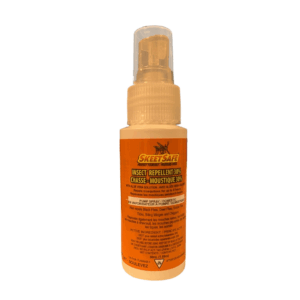
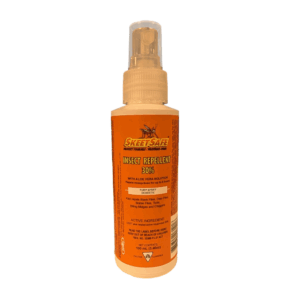
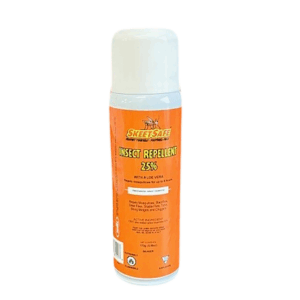
- Use Insect Repellent: Apply insect repellents containing DEET or Icaridin to skin and clothing, following product instructions.
- Conduct Tick Checks: Perform thorough body checks after working in tick-prone areas, paying close attention to armpits, groin, scalp, behind ears and knees, and the navel. Buddy checks can be helpful.
- Workplace Awareness & Training: Educate workers about tick risks, prevention, and proper removal techniques.
- Environmental Controls: Where feasible, keep grass mowed, remove leaf litter, and create tick-safe zones in frequently used outdoor areas.
SKEETSAFE Insect Repellent
Dentec Safety Specialists: Committed to Your Workplace Safety
At Dentec Safety Specialists, our mission is to protect workers by providing high-quality, innovative safety solutions. Our commitment to comprehensive workplace safety means we understand the importance of preparedness for all hazards, including biological ones like ticks.
We encourage employers to integrate tick safety into their overall health and safety programs. This includes:
- Risk Assessments: Identifying job roles and work environments with high tick exposure.
- Providing Appropriate PPE: This extends beyond respirators and hard hats to include items like appropriate clothing, insect repellents and components for robust first-aid kits that can house tick removal tools.
- Training and Education: Ensuring workers are informed and empowered to protect themselves.
Dentec Safety Specialists can help your organization build a culture of safety, providing guidance and a wide range of personal protective equipment (PPE) that meets Canadian standards, helping you enhance worker safety and regulatory compliance.
Recommended products
-

#81-0020-3 TICK REMOVAL KIT IN PLASTIC PROMO #1 BOX (SOLD IN MULTIPLES OF 12 ONLY)
$80.88 -

#81-0020-1 TICK REMOVAL KIT IN PLASTIC BAG (SOLD IN MULTIPLES OF 12 ONLY)
$59.04 -

#81-0020-5 TICK REMOVAL KIT IN PLASTIC PROMO #2 BOX (SOLD IN MULTIPLES OF 12 ONLY)
$155.52 -

#81-0020-6 TICK REMOVAL KIT IN PLASTIC PROMO #1 BOX WITH TWEEZERS (SOLD IN MULTIPLES OF 12 ONLY)
$127.92


Where to Get Tick Removal Kits in Canada:
Tick removal kits or individual components can be purchased here: Tick Removal Kits – Dentec Safety Specialists | Canada or alternatively:
- Pharmacies: Many carry basic first-aid supplies, including fine-tipped tweezers and antiseptics.
- Outdoor & Sporting Goods Stores: Often stock specialized tick removal tools and kits.
- Safety Supply Companies: Companies specializing in workplace safety equipment may offer first-aid solutions that include or can be supplemented with tick removal tools.
- Online Retailers: A wide variety of kits are available online.
- Veterinary Clinics: Sometimes carry tick removal tools suitable for humans.
Always ensure the tweezers are fine-tipped and designed for tick removal.
Stay Safe and Tick-Aware
Tick-borne illnesses are a growing concern for Canadian workers, but with awareness, prevention, and proper preparedness, the risks can be significantly managed. Ensuring your team has access to tick removal kits and knows how to use them is a vital step in protecting their health and well-being.
Key Takeaways:
- Tick populations and Lyme disease are increasing in many parts of Canada.
- Outdoor workers are at higher risk and require specific protective measures.
- An effective tick removal kit includes fine-tipped tweezers, antiseptics, and a way to save the tick.
- Proper tick removal technique is crucial to prevent infection.
- Prevention through protective clothing, repellents, and tick checks is paramount.
We encourage all employers with outdoor workers to review their tick safety protocols. For comprehensive solutions to enhance your workplace safety programs and explore a wide range of PPE, visit Dentec Safety Specialists today. Your team’s safety is our priority.
For more information on Lyme disease and tick safety in Canada, visit:
Don’t wait until it’s too late—equip your team with the tools and training they need to stay protected. Contact Dentec Safety Specialists today to order tick removal kits or speak with our experts about integrating tick safety into your workplace program.