In workplaces where respiratory hazards are present, whether it’s exposure to hazardous chemicals, airborne contaminants, or other respiratory risks, ensuring your respirator fits correctly is more than just a precaution, it’s essential for your safety. In other words, a respirator is only as good as its fit!
Whether you’re a safety officer, an employer, or a worker, understanding the importance of and requirements of respirator fit testing can be the difference between effective protection and dangerous exposure. In this post, we’ll explore the ins and outs of fit testing and fit testing kits to help you make informed decisions about respiratory safety and compliance in your workplace.
What is Respirator Fit Testing?
Fit testing is the process used to determine if a respirator properly fits the face of an individual. It ensures there are no gaps between the face and the respirator where potential contaminants could enter. A proper fit is crucial because even small leaks can compromise protection against airborne hazards, ultimately leading to exposure.
Fit test kits enable the fit testing process by simulating work conditions to verify if the respirator maintains its seal during regular movement and activity.
Why Do You Need Fit Testing?

Respirators are essential for protection workers from harmful airborne substances, but even the best respirator won’t perform correctly if it doesn’t fit properly. A well-fitting respirator forms a secure seal around the wearer’s face, preventing contaminants from bypassing the filter.
Is Fit Tested Required?
In short, yes. According to both the Canadian Standards Association (under Z94.9.1.6, which sets out requirements for the selection, use, and care of respirators) and Ontario’s Occupational Health & Safety Act (OHSA) (under Ontario Regulation 185/19: Control of Exposure to Biological or Chemical Agents), workers using a respirator must be fit tested if they are required to wear one.
How Often Does Fit Testing Need to Be Done?
Fit testing is required whenever a worker must wear a respirator make or model for the first time. While it is generally recommended that workers undergo fit testing annually, they must be retested if it has been two years since their last test.
Additionally, fit testing must occur whenever changes to the user’s physical condition could impact the effectiveness of the respirator, such as weight gain or loss, changes in face shape, or any other change that could affect the seal.
New fit tests are also necessary if:
- The type or model of the respirator changes.
- The user reports discomfort or issues with the fit of the respirator.
Frequent testing ensures that the respirator continues to provide the required protection over time, safeguarding the health and safety of workers in potentially hazardous environments.
How Long Does a Fit Test Take?
The length of a fit test can vary, but generally, it takes around 15 to 20 minutes. This includes time to don the respirator, undergo the fit test exercises, and receive feedback on the test results. While this is a relatively short process, it can make a significant difference in ensuring worker safety.
What is the Difference Between Fit Testing and a Seal Check?
Both a fit test and a seal check assess the effectiveness of a respirator, however, they are not the same or to be used interchangeably.
Fit Testing: This is a formal test conducted by a trained professional to assess whether a specific respirator fits the user properly. As mentioned above, it is required by regulations and must be repeated regularly.
Seal Check: A seal check is a quick, user-conducted check performed each time a respirator is donned. It helps ensure that the respirator’s seal is still intact before use.
Note: A seal check is not a substitute for a full fit test but is an important daily practice.
Different Types of Fit Testing: Qualitative vs Quantitative
There are two primary types of fit testing and fit test kits: qualitative and quantitative. Each test has its own method for verifying the effectiveness of a respirator’s fit.
Qualitative Fit Testing:
This method is subjective and relies on the wearer’s response to a taste or smell agent such as Isoamyl Acetate (banana oil), Bitrex (a bitter substance), or saccharin (a sweet substance). During the test, the wearer is required to conduct a series of physical exercises while wearing the respirator. If the wearer can detect the test agent while wearing the respirator, it indicates a poor fit and fails the fit test.
Qualitative fit testing is generally quicker and less expensive, making it ideal for situations where a simple pass/fail result is sufficient.
Quantitative Fit Testing:
This method uses a machine to measure the concentration of particles inside and outside the respirator, providing a numerical fit factor of the respirator’s effectiveness. It involves the use of specialized equipment, such as the TSI PortaCount or the OHD QuantiFit. Once the test is complete, a printed report is provided for each individual.
Quantitative fit testing is a more objective, precise method, providing an exact measurement of the respirator’s effectiveness.
Dentec Safety’s Fit Test Kits
At Dentec, we offer three types of fit test kits to cater to your different testing needs:

- Isoamyl Acetate (IAA) Fit Test Kit: The Banana Oil Test
Type: Qualitative Fit Testing
Use Case: Best suited for environments where organic vapors are present and a simple, quick test is needed.
Kit Contents: Banana oil (Isoamyl Acetate), two organic vapor cartridges, and instructions.
Example: This method is ideal for industries like painting or lab work where organic vapors are present, and workers are using half or full face mask respirators.

- Bitrex Fit Test Kit: Irritant Fit Testing
Type: Qualitative Fit Testing
Use Case: Suitable for industries where workers use half or full face mask respirators and need to confirm the seal without specialized equipment.
Kit Contents: Fit test hood, nebulizer #1, nebulizer #2, Bitrex, and two sets of nebulizer inserts. - TSI PortaCount Testing Kit: Quantitative Fit Testing
Type: Quantitative Fit Testing
Use Case: Essential for high-risk environments where a precise measurement of respirator effectiveness is required.
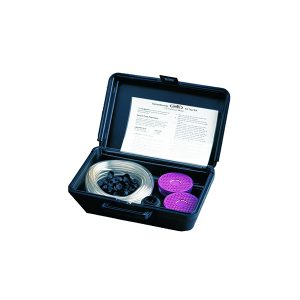
Kit Contents: Dentec Fit Test Adapter that allows you to mount the cartridges to the mask, clips, tubing, suction cups, and two P100 filters.
Example: This method is ideal for healthcare settings, chemical manufacturing, or other industries where workers are exposed to highly toxic substances and require a full-face respirator.
Why Choose Dentec Safety?
At Dentec Safety, we are committed to providing top-quality respiratory protection solutions. Our fit test kits are designed to help you achieve a secure and comfortable seal, ensuring that your respirator functions effectively in protecting you from harmful substances. Whether you need a qualitative or quantitative fit test, we have the right solution for you.
If you are new to fit testing or implementing a respiratory protection program, our Safety Specialists can train your team/ organization on how to conduct proper fit testing. Be sure to contact us to chat with one of our specialists and learn more about fit testing.