Canada just recorded its highest-ever year for Lyme disease, and most cases happen in the summer when people are working and playing outside. This makes tick awareness and fast, proper removal a basic safety step for anyone who spends time outdoors.
Why this summer matters
Health Canada reported 5,809 Lyme disease cases in 2024, a jump of more than 20% from the year before. Most cases were in Ontario, Nova Scotia, and Quebec, and about two‑thirds of locally acquired infections started between June and August, when ticks and people are most active outdoors. Outdoor workers, campers, hikers, gardeners, and people who spend time in tall grass or wooded areas face the highest risk.
Who is most at risk?
More than half of reported Lyme cases in 2024 were in males, and risk was higher in children aged 5–9 and adults aged 60–69, likely because of how much time they spend outside and how well they spot and prevent ticks. Outdoor occupations like forestry, landscaping, construction, utilities, parks, agriculture, and conservation work keep people in tick habitat for long periods, often every day. For employers, that means Lyme disease is not just a health issue, but also a cause of lost work time and long‑term health complications if infections are missed. Annual report: Lyme disease and other tick-borne diseases surveillance in Canada — Canada.ca
Simple steps to lower your risk
You lower your risk of tick bites by combining clothing, behaviour, and basic workplace planning. Practical steps include:
- Wear long sleeves and pants, with pants tucked into socks or boots, and choose light colours so you can see ticks more easily.
- Use repellent with DEET or Icaridin on exposed skin and clothing, following the label.
- Stay on cleared paths when possible and avoid brushing against high grass and shrubs where ticks wait for hosts.
- Do a full-body tick check after work or outdoor activities, including scalp, behind ears, armpits, groin, behind knees, and around the waistband.
- At home, reduce tick habitat by keeping grass short, removing leaf litter, and clearing brush around work or play areas.
For crews, adding tick awareness to toolbox talks and safety meetings keeps the topic front‑of‑mind through the season.
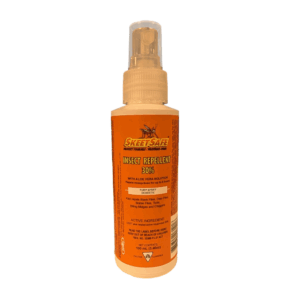
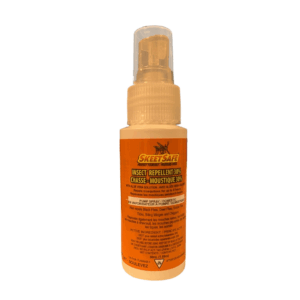
SKEETSAFE™ INSECT REPELLENT

Why tick removal kits belong in every truck
Even with good prevention, ticks still attach, and how fast and how well you remove them affects your risk of infection. An effective tick removal kit gives workers what they need to act immediately instead of waiting to get home or find a clinic.
A good kit should include at least:
- Fine‑tipped tick tool or tweezers to grip the tick close to the skin and pull straight up with steady pressure
- Antiseptic wipes to clean the bite site and tools after removal
- Small resealable bag or vial to save the tick for identification or testing if symptoms appear
- Disposable gloves to protect whoever is doing the removal
- Simple instruction card showing correct technique step by step
Dedicated tick removal kits, like those offered by Dentec Safety Specialists, bundle these components so they can be stored in trucks, first aid kits, and job boxes and issued to outdoor staff as standard gear. This turns tick response into a routine part of your safety program, alongside PPE like helmets and respirators.
TICK REMOVAL KITS
-

#81-0020-1 TICK REMOVAL KIT IN PLASTIC BAG (SOLD IN MULTIPLES OF 12 ONLY)
$59.04 -

#81-0020-3 TICK REMOVAL KIT IN PLASTIC PROMO #1 BOX (SOLD IN MULTIPLES OF 12 ONLY)
$80.88 -

#81-0020-5 TICK REMOVAL KIT IN PLASTIC PROMO #2 BOX (SOLD IN MULTIPLES OF 12 ONLY)
$155.52 -

#81-0020-6 TICK REMOVAL KIT IN PLASTIC PROMO #1 BOX WITH TWEEZERS (SOLD IN MULTIPLES OF 12 ONLY)
$127.92


What to do if you find a tick
When someone finds an attached tick:
- Remove it as soon as possible using a tick tool or fine‑tipped tweezers, grasping close to the skin and pulling straight up without twisting or squeezing.
- Clean the bite and hands with antiseptic wipes, alcohol, or soap and water.
- Save the tick in a sealed bag or container and note the date, location, and where on the body it was found.
- Watch for symptoms such as a spreading rash, fever, fatigue, headache, or joint pain over the next 30 days and seek medical care if they appear.
Avoid home remedies like heat, petroleum jelly, or nail polish, which do not work and can increase the chance of infection.
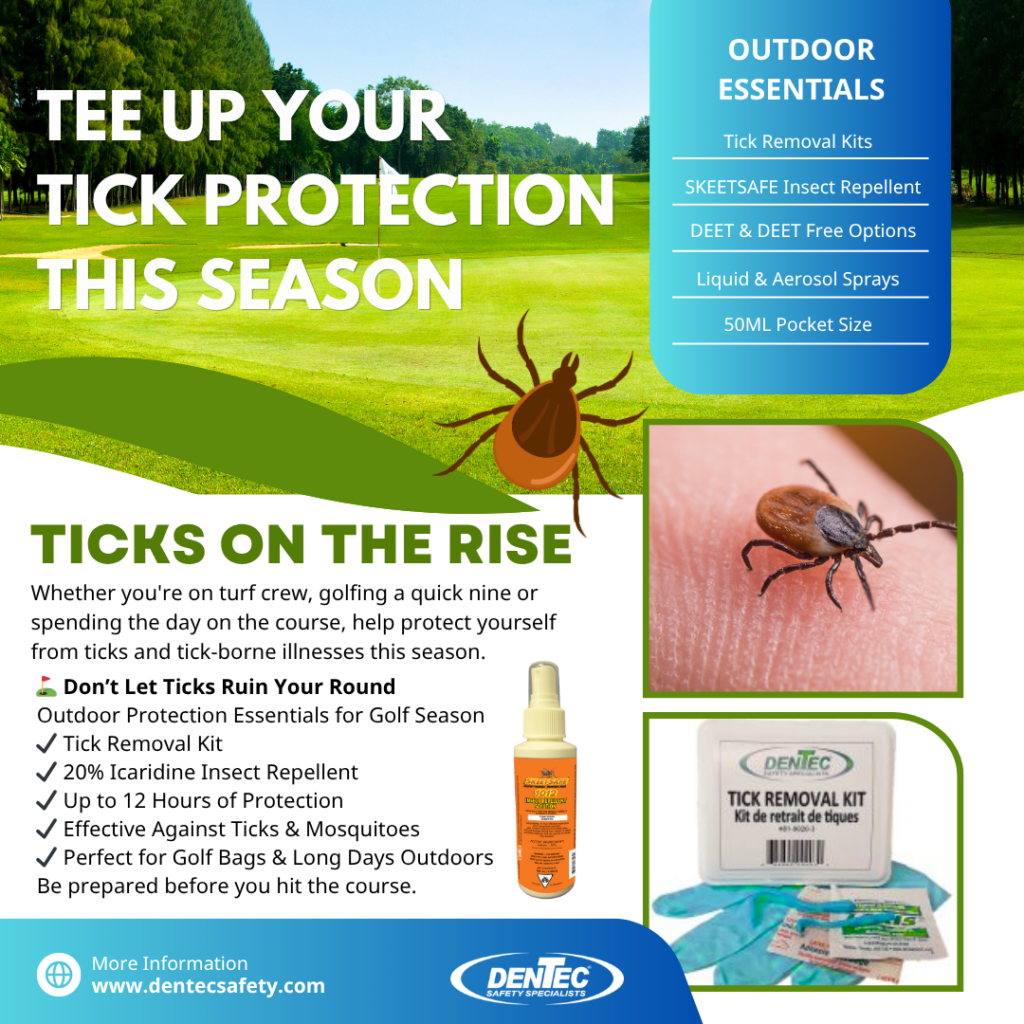
You should have a tick kit handy and do a full tick check after any activity that puts you in grass, brush, or wooded areas.
Higher‑risk outdoor work
- Farming and ranch work
- Forestry and logging
- Landscaping, lawn care, and tree work
- Construction and utility work in fields, corridors, or bush lines
- Park, trail, and wildlife management
- Surveying, conservation, and environmental field work
Everyday outdoor activities
- Walking or hiking on trails, in woods, ravines, or tall grass
- Dog walking in parks, fields, or along brushy edges
- Gardening and yard work, including raking leaves and clearing brush
- Playing in grass or wooded areas (kids at parks, backyards, camps)
- Picnics or relaxing on lawns near trees and shrubs
Sports and recreation
- Golf (especially in the rough, long grass, or near treed areas)
- Camping in or near forests, fields, or lakeshores
- Hunting and scouting in brush, fields, and treed edges
- Mountain biking or trail biking through grassy or wooded terrain
- Fishing from shore, riverbanks, or brushy access points
- Birdwatching in fields, wetlands, and forest edges
For all of these, the safest habit is simple: put repellent on before you head out, keep a tick kit in your pack, vehicle, or golf bag, and do a full body tick check as soon as you get back indoors.