
And Why Sqwincher® Should Be Part of Your Cold-Weather Hydration Program
Most employers associate dehydration with heat stress in the summer—but winter dehydration is just as dangerous and far more common. Cold, dry air, indoor heating, layered PPE, and reduced thirst cues create the perfect conditions for fluid loss, even when workers don’t feel hot or sweaty. Source: Mayo Clinic – Cold weather dehydration
Across construction, industrial manufacturing, cold storage, food processing, transportation, and outdoor trades, winter dehydration quietly impacts safety, performance, and overall well-being. A winter hydration program is essential—and Sqwincher® provides the industry’s most effective electrolyte solution for Canadian workplaces.
Why Dehydration Spikes in the Winter
1. Cold, Dry Air Accelerates Fluid Loss
Winter air holds very little moisture, and heated indoor environments often fall below 20–30% humidity. Workers lose more fluid through breathing, and skin and airways dry out quickly. Source: U.S. National Library of Medicine – Airway hydration & humidity
2. Thirst Cues Drop in Cold Temperatures
Cold conditions constrict blood vessels, tricking the body into thinking it’s hydrated. Workers feel 30–40% less thirsty—even while losing fluids. Source: University of New Hampshire – “Cold Weather Dehydration
3. PPE & Heavy Winter Clothing Increase Sweat
Layers trap heat and boost sweat rates during physical tasks. Sweat evaporates quickly in cold air, so workers underestimate how much they’re losing.
High-risk environments include construction, logistics, cold storage, snow removal, mining, municipal services, and food processing.
How Winter Dehydration Affects Worker Health
Even mild dehydration (1–2% body weight loss) causes:
- Fatigue and low energy
- Headaches
- Muscle cramps
- Dizziness
- Dry skin and chapped lips
- Irritability
- Trouble concentrating
Older workers are at even higher risk. Severe dehydration can lead to confusion, fainting, and medical emergencies. Source: CDC – Dehydration & cognitive decline
The Safety Impact: Why Employers Must Pay Attention
Reduced Cognitive Performance
Even slight dehydration impairs:
- Memory
- Reaction time
- Decision-making
- Alertness
- Situational awareness
This increases the likelihood of mistakes and near-misses.
Higher Accident Risk
Fatigue, dizziness, and poor focus are dangerous for:
- Machine operators
- Drivers
- Workers at heights
- Anyone using tools
Lower Productivity
Dehydration reduces task speed, increases absenteeism, and lowers morale—impacting overall output and safety culture. Source: NIOSH – Workplace fatigue & hydration
Why Workers Naturally Drink Less in Winter
- Thirst response is significantly lower
- Coffee and tea replace water (and caffeine can increase fluid loss)
- Gloves and PPE make drinking inconvenient
- Workers drink only at breaks instead of throughout the shift
This makes employer-supported hydration essential.
Why Sqwincher® Should Be Your Winter Hydration Solution
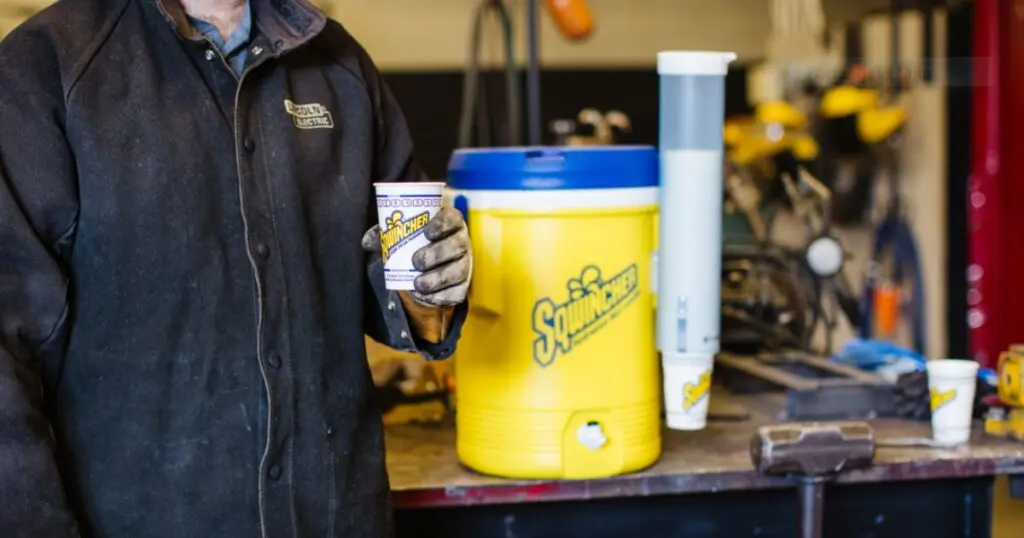
Sqwincher is scientifically formulated for industrial hydration—replacing essential electrolytes that water alone cannot.
Key Advantages of Sqwincher®
✔ Replaces essential electrolytes lost through sweat (sodium, potassium, magnesium)
✔ Low-sodium formulation, ideal for year-round use and older workers
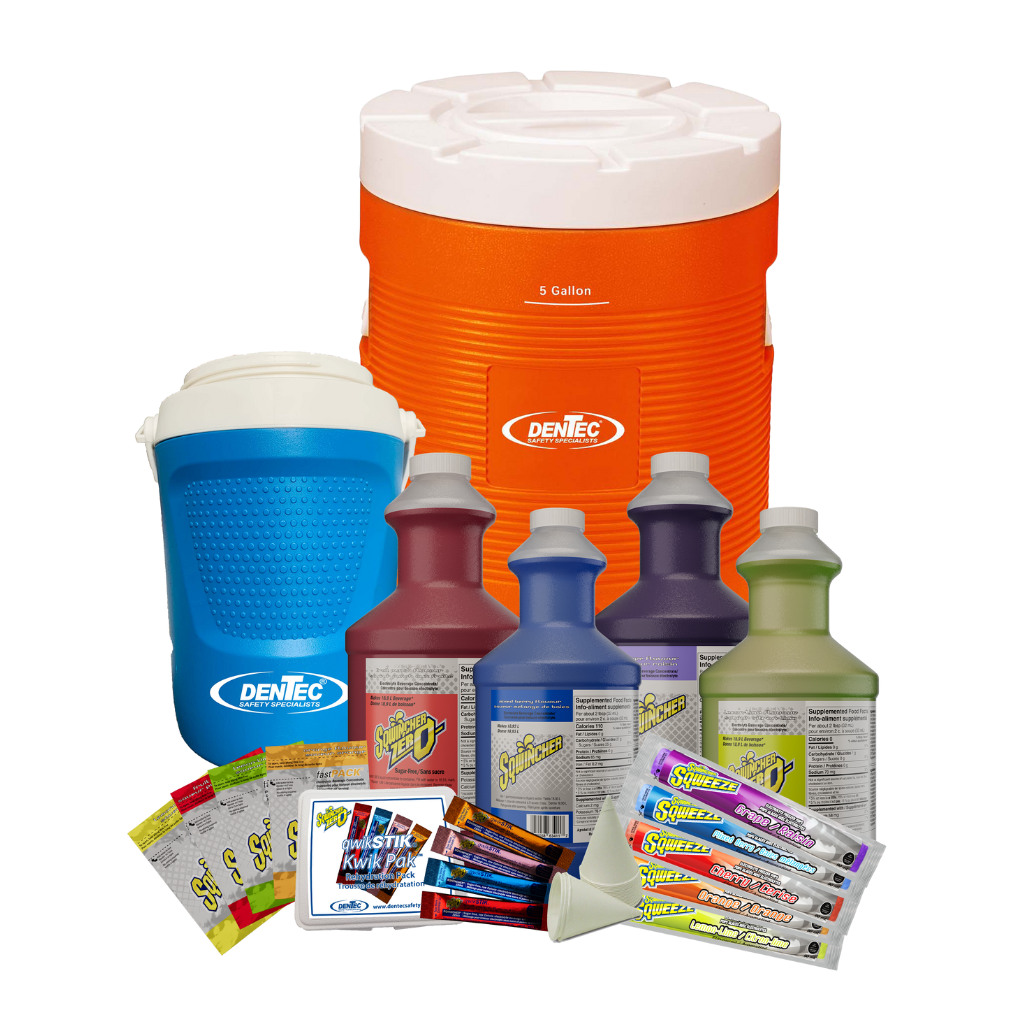
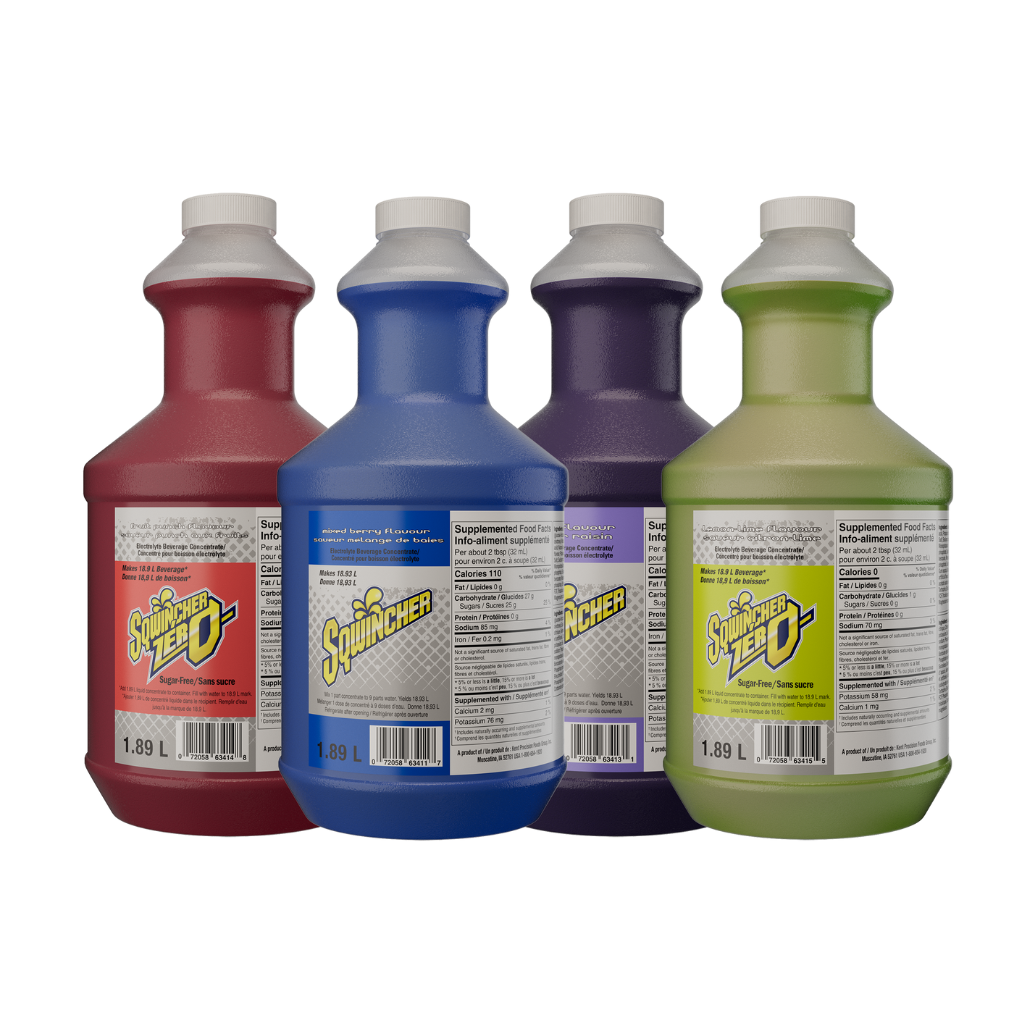
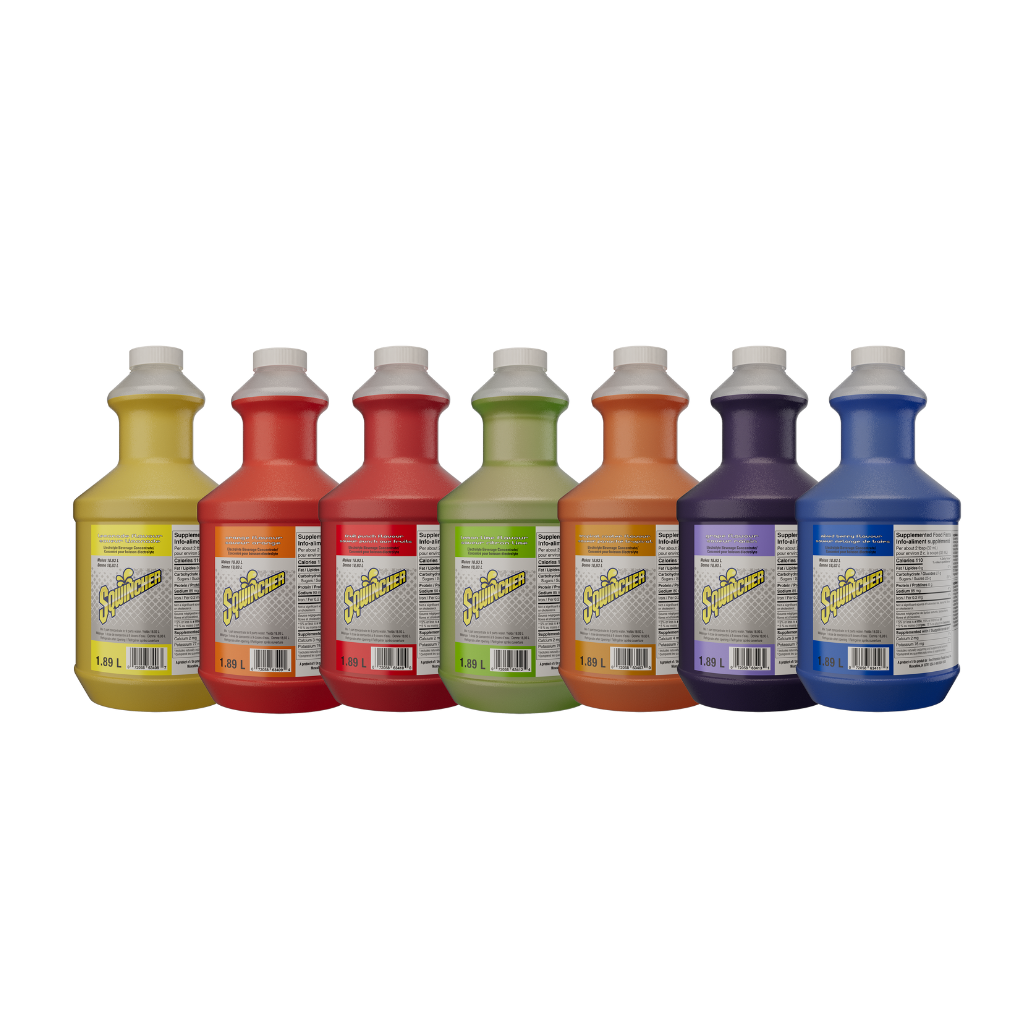
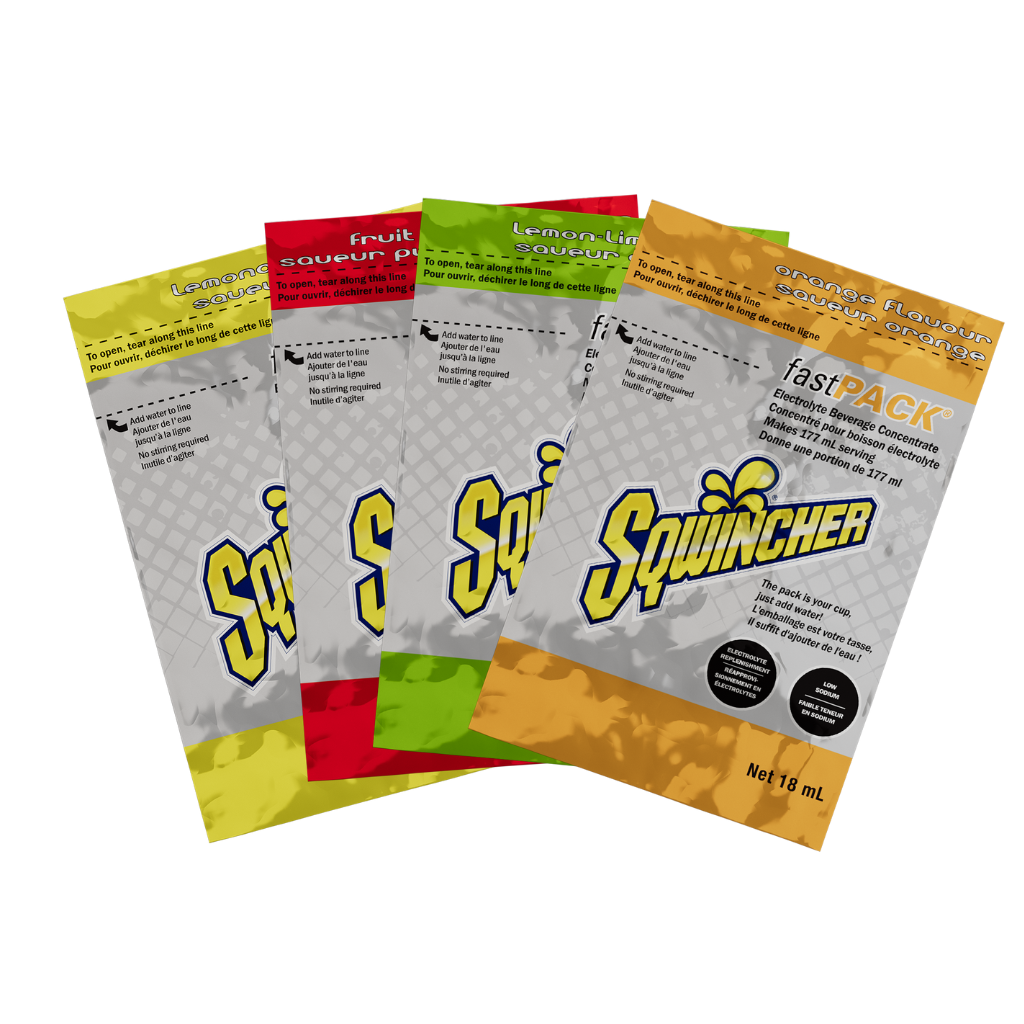
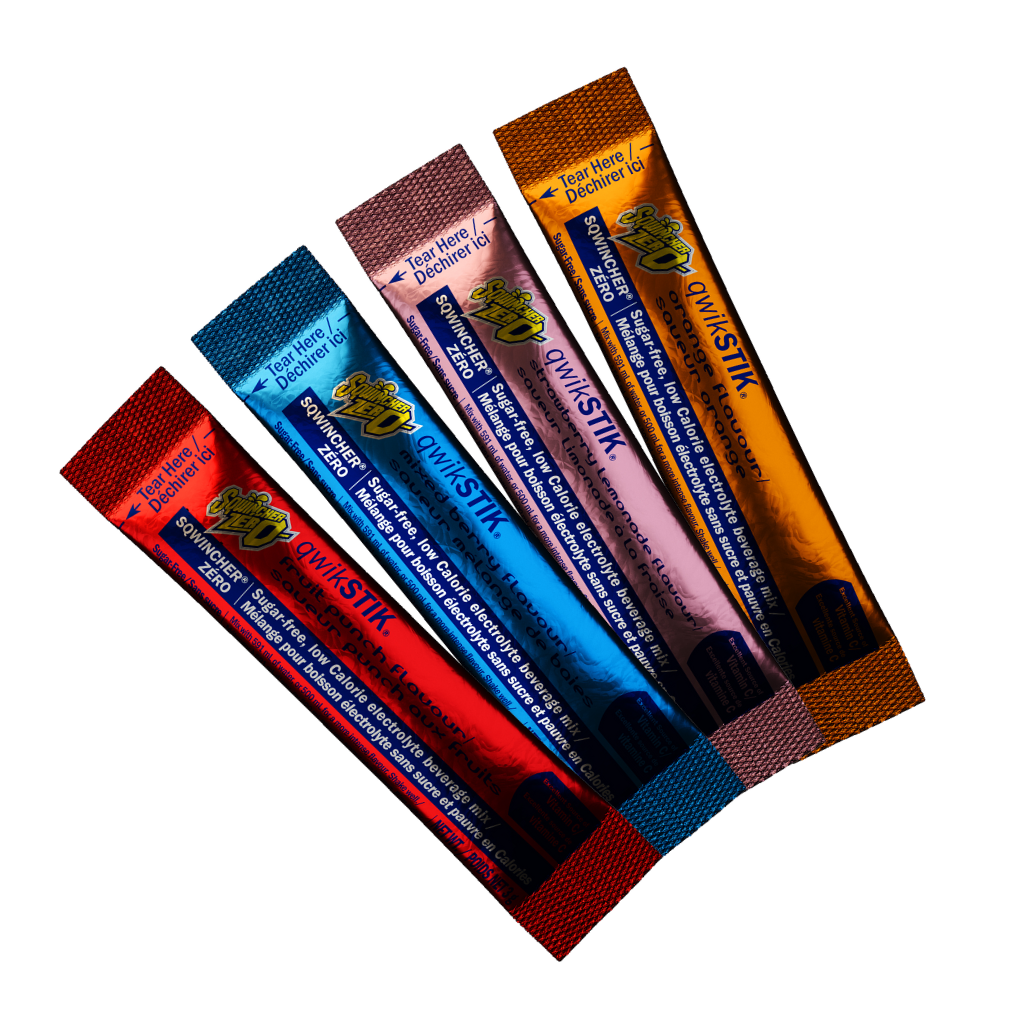
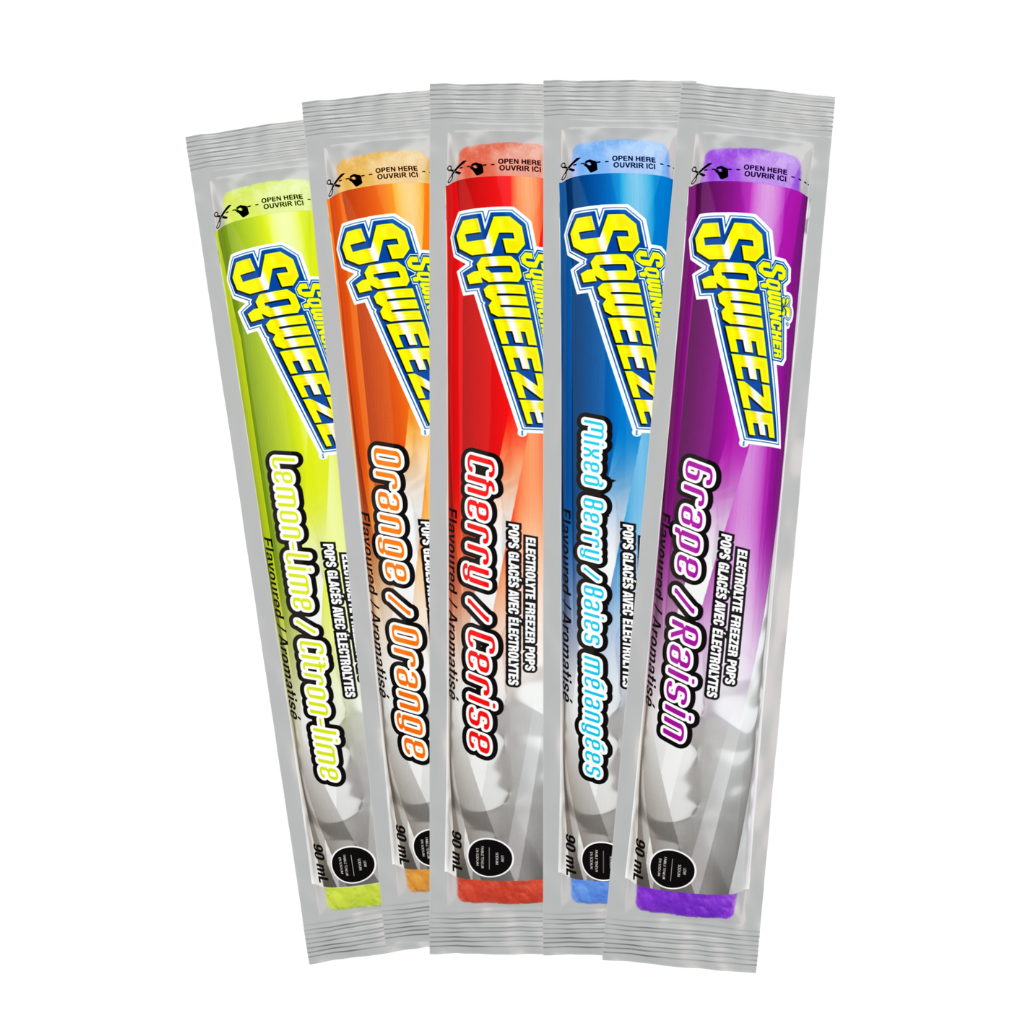
✔ Multiple formats: powders, liquid concentrate, Qwik Stiks, and Sqweeze® Pops
✔ Great taste = higher worker compliance
✔ Easy integration into hydration stations, trailers, break rooms, and vehicles
✔ Cost-effective & sustainable — bulk hydration options that save money and reduce packaging waste
✔ No BCAAs — formulated intentionally for workplace hydration without unnecessary additives
Sqweeze® Pops and Qwik Stiks remain surprisingly popular in winter because they boost voluntary hydration—one of the biggest seasonal challenges.
How to Build a Winter Hydration Program
A simple, effective approach includes:
- Provide electrolytes—not just water
Stock Sqwincher in break rooms, job trailers, and mobile units. - Encourage sipping every 15–20 minutes
Don’t wait for thirst—workers won’t feel it. - Offer warm or room-temperature options
Workers drink more when beverages aren’t ice cold. - Track consumption on high-demand shifts
Especially in cold storage, snow removal, and construction. - Add hydration education to winter safety meetings
Teach workers why dehydration is harder to detect in winter.

The Bottom Line
Winter dehydration is an invisible but serious workplace risk. By recognizing cold-weather hydration challenges and implementing a structured hydration program with Sqwincher®, employers can:
✔ Improve worker safety
✔ Reduce incidents and near-misses
✔ Boost productivity and energy levels
✔ Support overall health and wellness
✔ Demonstrate a proactive commitment to workforce well-being
Hydrated workers are safer, healthier, and more productive—all year long.
FAQ: Winter Dehydration & Hydration Programs
1. Can you get dehydrated in winter?
Yes. Cold air, low humidity, and reduced thirst signals make winter dehydration extremely common.
2. Why does thirst decrease in the cold?
Blood vessels constrict, tricking the brain into thinking the body is hydrated.
3. Does indoor heating worsen dehydration?
Absolutely—20–30% humidity accelerates moisture loss through breathing.
4. Is water enough for workers?
Not for physically active or industrial workers. Lost electrolytes must be replaced. Electrolytes – StatPearls – NCBI Bookshelf
5. Do workers sweat in winter?
Yes—layers trap heat and elevate sweat rates, even in sub-zero temperatures.
6. How does dehydration impact safety?
It reduces focus, reaction time, and balance, increasing accident risk.
7. Signs supervisors should look for:
Fatigue, headaches, cramps, dizziness, irritability, and poor concentration.
8. Do coffee and tea hydrate workers?
They provide fluid but caffeine can increase urine output—balance with electrolytes.
9. Why choose Sqwincher?
Industrial-strength electrolytes, low-sodium options, multiple formats, and proven compliance.
10. How often should workers drink?
Every 15–20 minutes throughout the shift.
11. Which industries benefit most?
Construction, warehousing, logistics, cold storage, municipal services, transportation, agriculture, mining, oilfield, food processing.
12. How can employers implement a program easily?
Use self-serve Sqwincher formats, place stations in high-traffic areas, educate workers, and encourage frequent intake.