Fogged-up safety glasses are more than just an annoyance; they’re a serious workplace hazard. Imagine a worker on a scaffold, a technician handling delicate machinery, or a healthcare professional in a critical moment, suddenly blinded by condensation. In an instant, a preventable nuisance becomes a significant risk. This is why advanced anti-fog technology is no longer a luxury—it’s an essential component of any effective Personal Protective Equipment (PPE) program. This article will explore why anti-fog is crucial and highlight the common, costly mistakes to avoid when selecting the right solution for your team.

Why Crystal-Clear Vision is Non-Negotiable in the Workplace
Obstructed vision, even for a few seconds, can lead to catastrophic failures in safety and productivity. Investing in high-quality anti-fog eyewear is an investment in your people and your operations.
- Enhanced Safety: The primary reason for any PPE is to prevent injury. When workers can’t see clearly, they are more likely to trip, fall, or mishandle equipment. By eliminating fog, you eliminate a major cause of preventable accidents.
- Increased Productivity: Workers who constantly have to stop what they are doing to remove and wipe their glasses are less efficient. This downtime adds up, impacting project timelines and overall output. Fog-free eyewear keeps your team focused on the task at hand.
- Improved Compliance: If safety glasses are uncomfortable or constantly fogging up, workers are more likely to remove them, leaving them unprotected. Providing effective anti-fog solutions encourages consistent wear and full compliance.
5 Costly Mistakes to Avoid When Selecting Anti-Fog Eyewear
Not all anti-fog solutions are created equal. Making the wrong choice can lead to wasted money, frustrated employees, and a false sense of security. Here are the five most common mistakes to avoid.
1. Prioritizing Initial Price Over Long-Term Performance
It’s tempting to opt for the cheapest safety glasses available, but this is often a false economy. Many low-cost options use a temporary, thinly-applied anti-fog coating that can wash off after just a few cleanings or wear away quickly in humid conditions.
The Costly Result: You end up replacing eyewear far more frequently, driving up long-term costs and leaving workers with unreliable protection when they need it most.
The Smart Solution: Invest in eyewear with a permanent, chemically-bonded anti-fog coating. These advanced coatings are integrated directly into the lens, ensuring they won’t wash or wear off, providing durable, reliable performance for the life of the glasses.
| Feature | Temporary Coatings | Permanent, Bonded Coatings |
| Durability | Wears off after a few cleanings | Lasts the lifetime of the lens |
| Performance | Inconsistent, especially in high humidity | Consistent, reliable fog prevention |
| Long-Term Cost | High (due to frequent replacement) | Low (due to longevity) |
| User Trust | Low | High |
2. Ignoring Your Specific Work Environment
A solution that works in a climate-controlled warehouse might fail completely on a humid construction site or in a facility with drastic temperature changes.
The Costly Result: Providing the wrong type of eyewear for the environment leads to immediate fogging, non-compliance, and wasted investment.
The Smart Solution: Assess your workplace conditions. Do your workers move frequently between cold outdoor environments and warm indoor ones? Is high humidity a constant factor? Do they engage in strenuous physical activity that causes sweating? Choose eyewear specifically engineered to handle the challenges of your unique environment.
3. Overlooking Lens Durability and Material
An effective anti-fog coating is useless if the lens itself is easily scratched.
The Costly Result: Scratched lenses impair vision just as much as fog, forcing premature replacement. More critically, a lens that doesn’t meet CSA or ANSI testing puts your workers’ eyesight at severe risk.
The Smart Solution: Look for polycarbonate lenses certified to the most current standard as CSAZ94.3. Ensure the eyewear combines its anti-fog properties with a robust anti-scratch hard coat. This dual-action protection ensures both clarity and safety over the long haul.
4. Underestimating the Importance of Fit and Ventilation
Even the most advanced anti-fog technology can struggle if the eyewear fits poorly against the face.
The Costly Result: Gaps around the frame can allow excess moisture to enter, while a fit that is too tight can trap heat and sweat, overwhelming the anti-fog coating. This leads to discomfort and increases the likelihood that workers will remove their PPE.
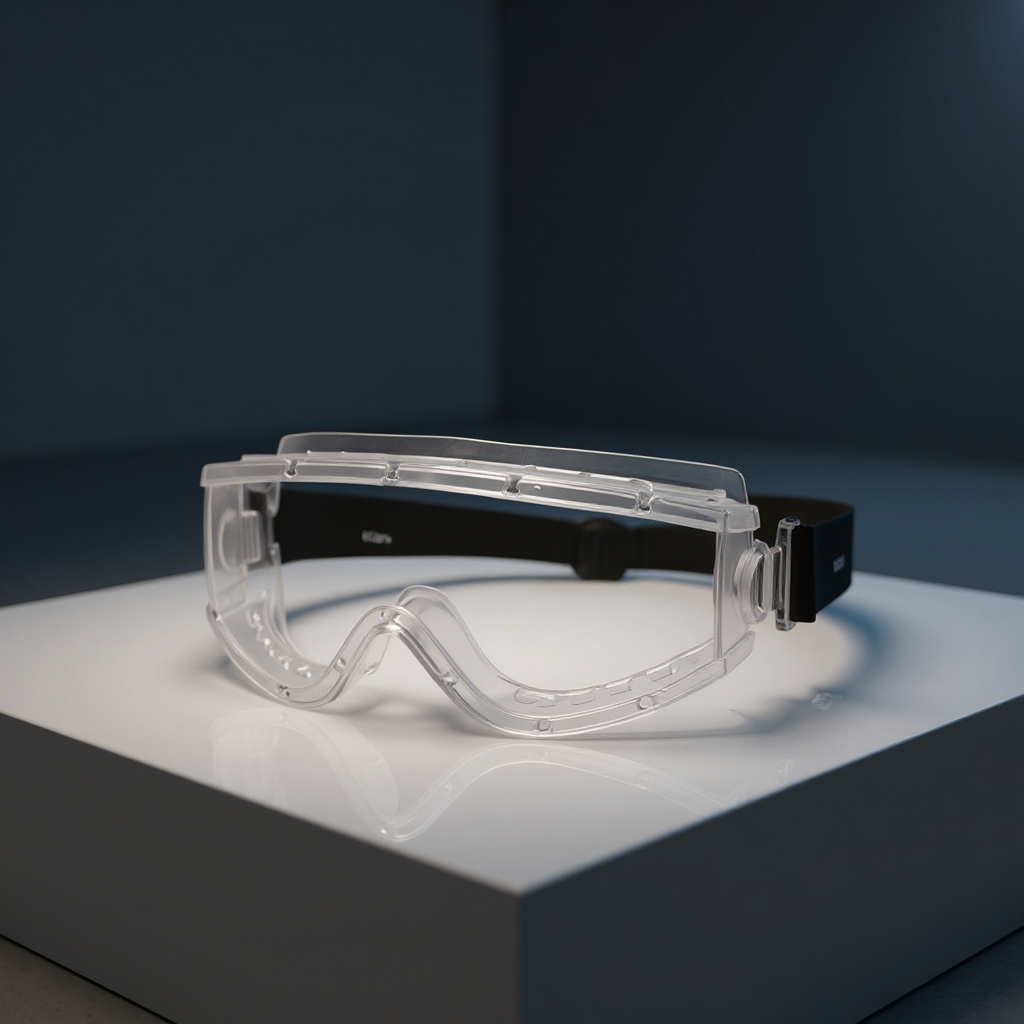
The Smart Solution: Choose safety glasses that offer a secure, comfortable fit with features that promote airflow. Look for designs with indirect venting or channels that help circulate air without compromising protection from dust and debris.
5. Neglecting Proper Cleaning and Maintenance
Using the wrong cleaning methods can strip away even the best anti-fog coatings and scratch the lenses.
The Costly Result: You can inadvertently destroy the technology you paid for, rendering expensive PPE ineffective.
The Smart Solution: Always follow the manufacturer’s cleaning instructions. As a general rule, rinse lenses with water to remove debris before wiping, and use only approved lens cleaning solutions and soft microfiber cloths. Educate your team on proper care to maximize the lifespan and effectiveness of their eyewear. For more information on PPE maintenance, authoritative sources like the Canadian Centre for Occupational Health and Safety (CCOHS) offer excellent guidance.
FAQ: Anti-Fog Safety Eyewear
Why do safety glasses fog up?
Safety glasses fog when moisture from sweat, humidity, or sudden temperature changes condenses on the lens. Without an effective anti-fog coating, this creates a blurry layer that blocks vision.
What is the difference between temporary anti-fog coatings and permanent bonded coatings?
Temporary coatings are applied as a surface layer that can wear off after cleaning or in humid environments. Permanent bonded coatings are integrated into the lens material itself, making them far more durable and reliable for long-term use.
How do I know which anti-fog eyewear is right for my workplace?
Start by assessing your work conditions. Worksites with high humidity, temperature swings, or heavy physical activity need eyewear with advanced, permanent coatings and ventilation features. Controlled environments may require less specialized options.
Can scratched lenses affect safety even if the anti-fog coating works?
Yes. Scratches reduce visibility much like fog does, and they can weaken impact resistance. Always choose polycarbonate lenses with both anti-fog and anti-scratch protection for the best balance of safety and clarity.
What is the best way to clean anti-fog safety glasses?
Rinse lenses with water before wiping to avoid scratching them. Use only approved lens cleaning sprays and microfiber cloths. Avoid paper towels, tissues, or harsh chemicals, as these can damage coatings.
Are anti-fog safety glasses required by Canadian safety standards?
While anti-fog coatings themselves are not specifically mandated, compliance with CSA Z94.3 requires that eyewear provide reliable vision and protection. Effective anti-fog technology helps employers meet these requirements by ensuring workers actually wear their PPE consistently.
How does investing in permanent anti-fog eyewear save money?
Although initially more expensive, permanent anti-fog eyewear lasts longer, prevents costly replacements, and reduces downtime caused by workers removing glasses to wipe them clear. This lowers long-term costs and improves productivity.
Dentec Safety: Your Partner in Clear, Compliant Vision
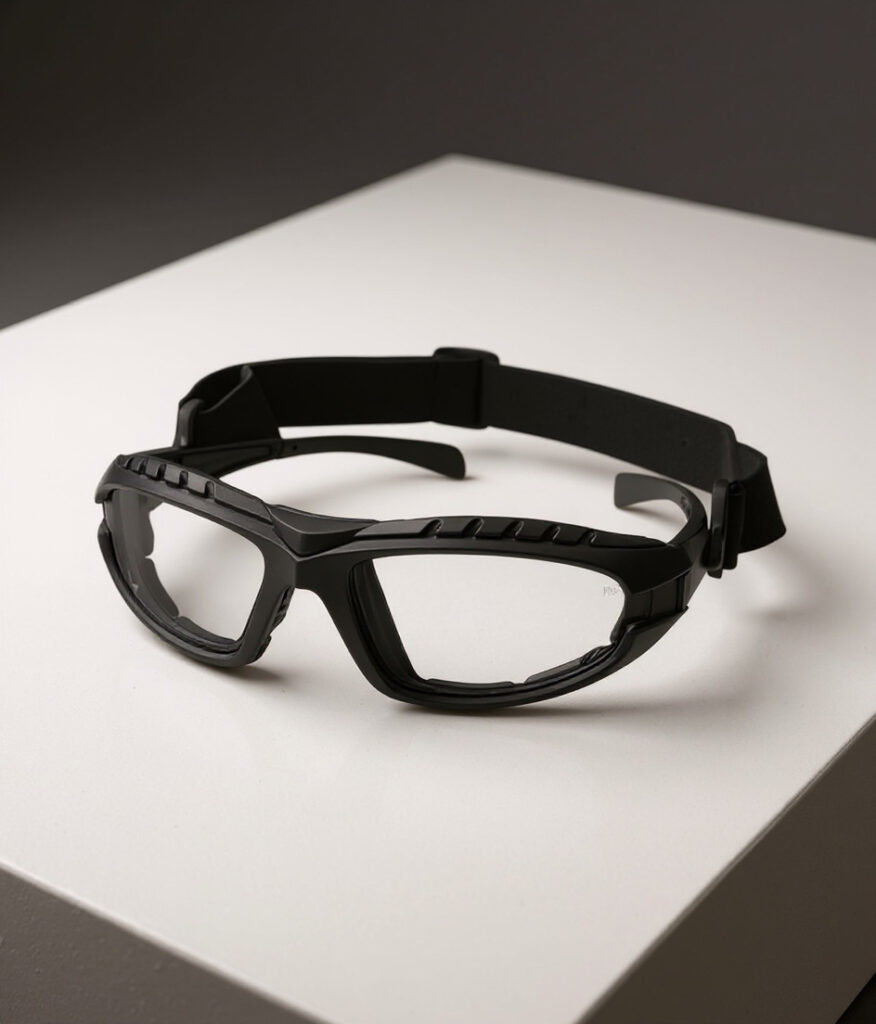
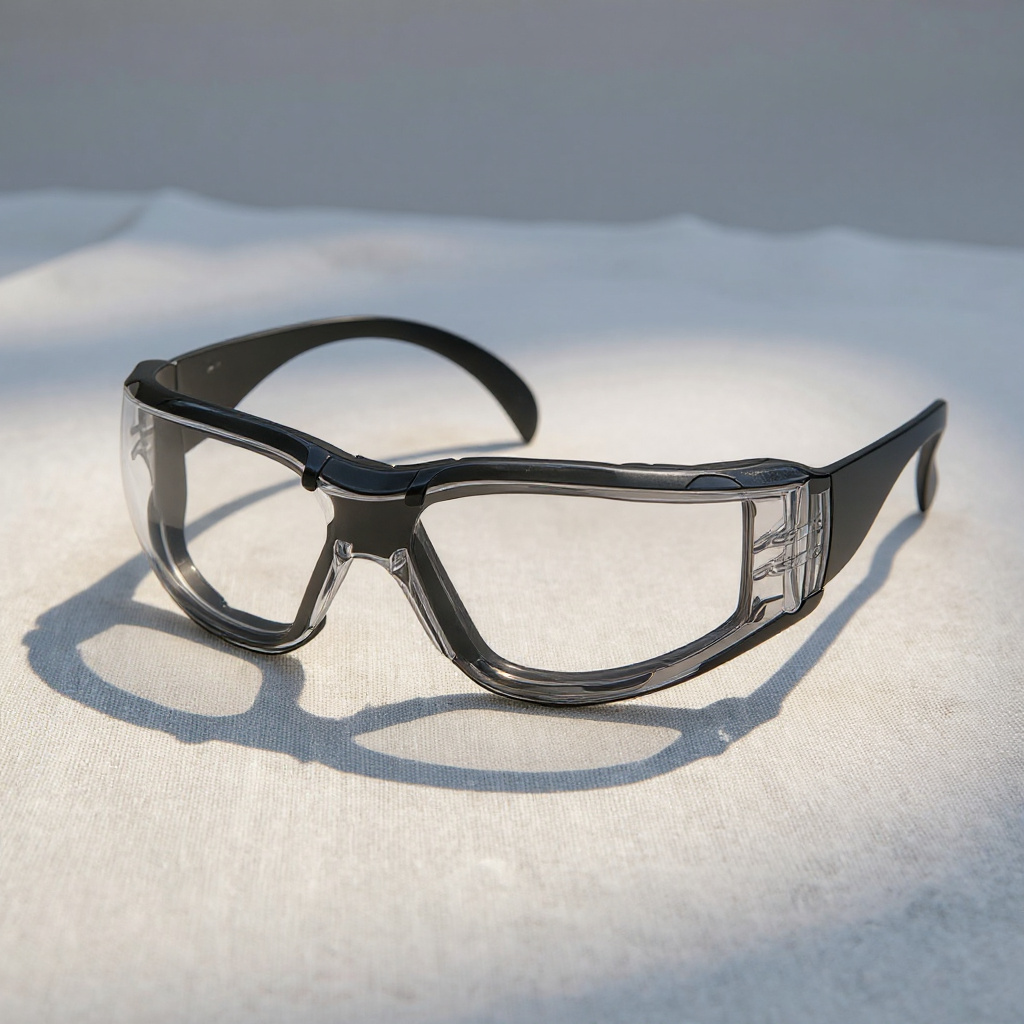
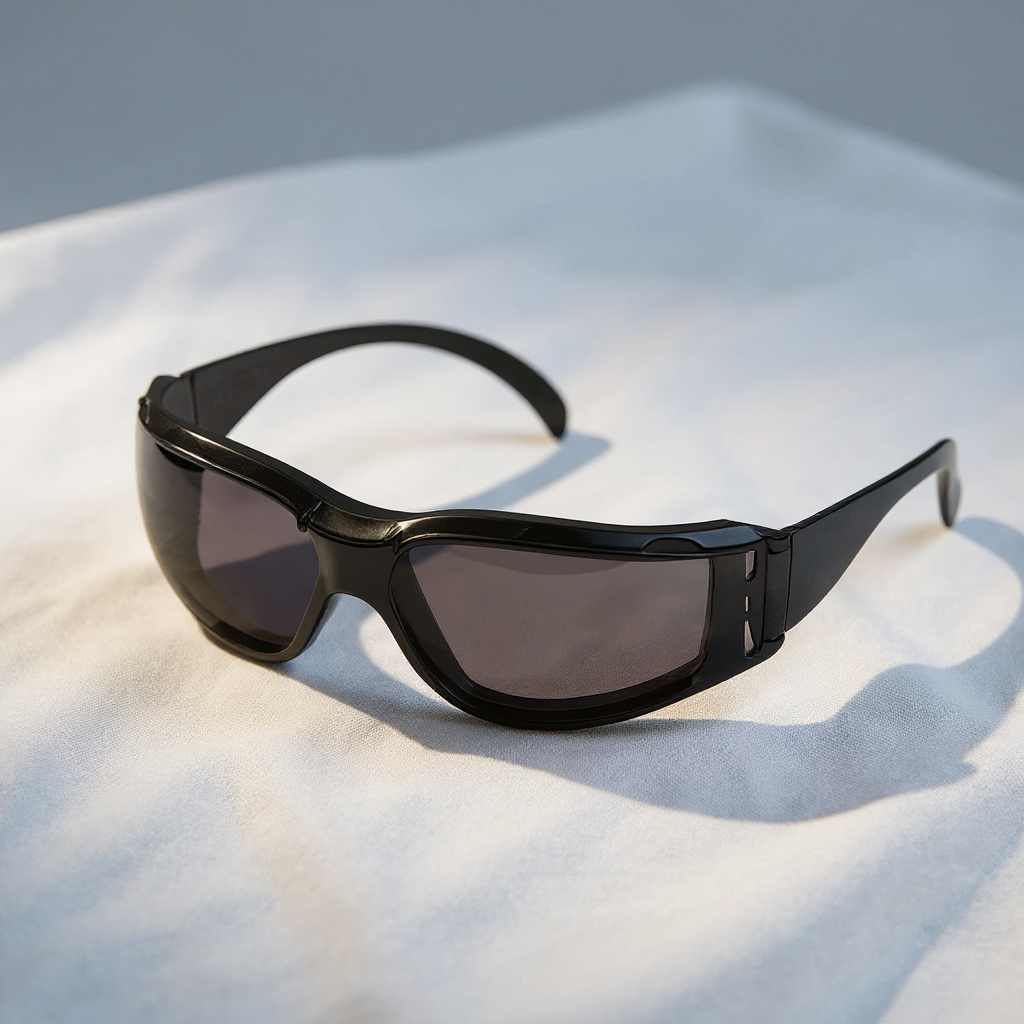
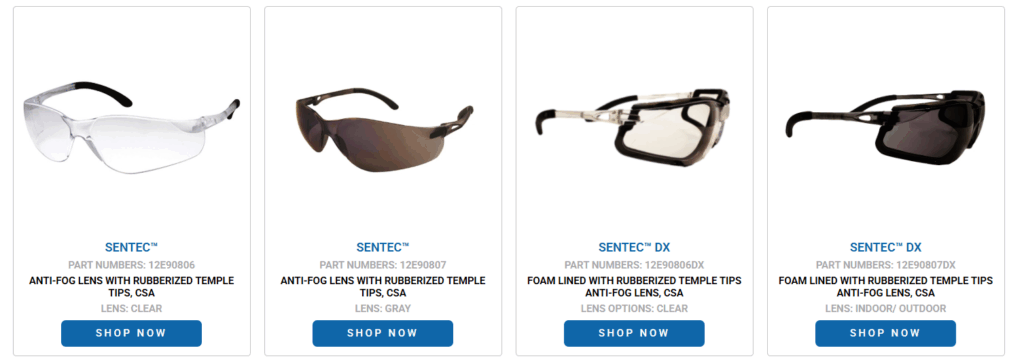
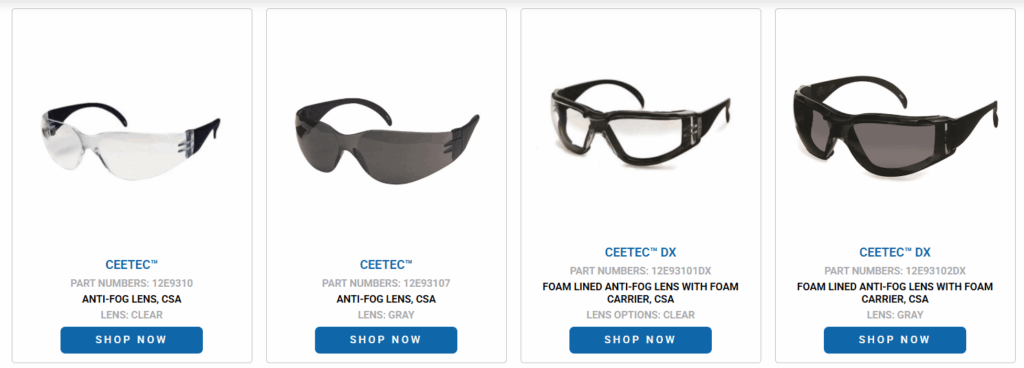
At Dentec Safety Specialists, our mission is to eliminate workplace injuries by providing PPE that workers will actually want to wear. We understand that clear, unobstructed vision is fundamental to safety. That’s why we’ve engineered a premium line of safety eyewear featuring robust, permanent anti-fog and anti-scratch coatings.
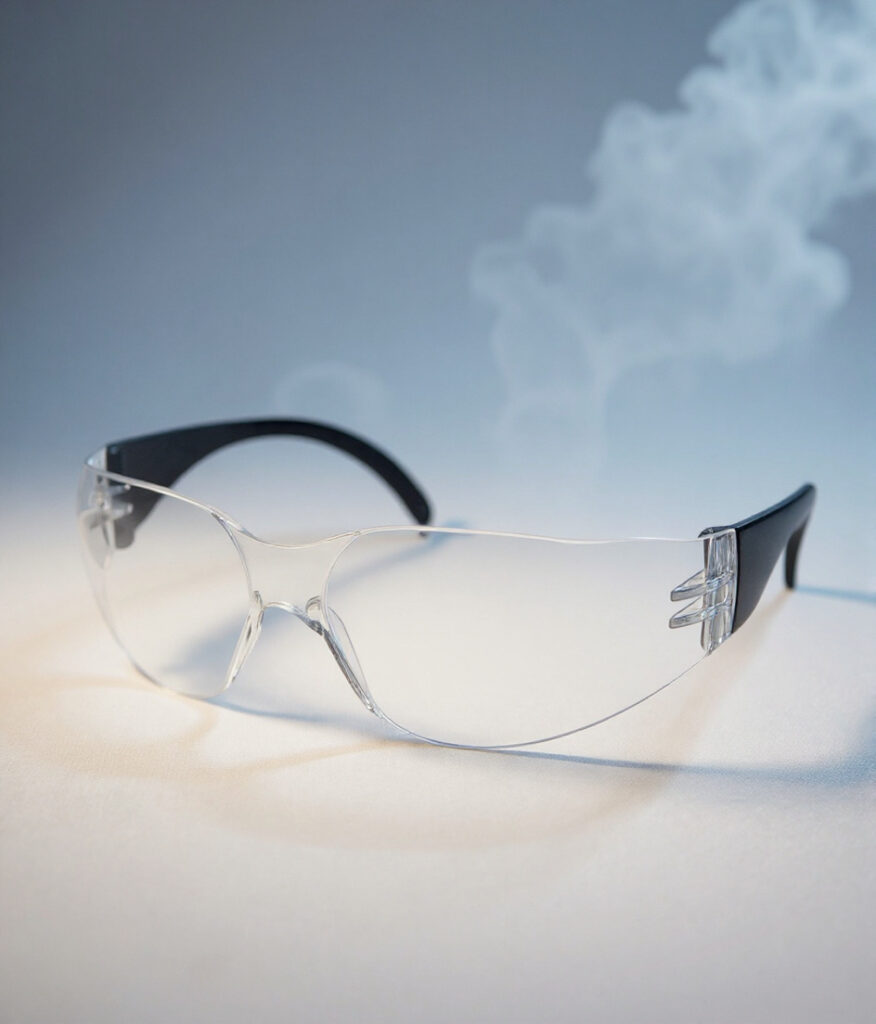
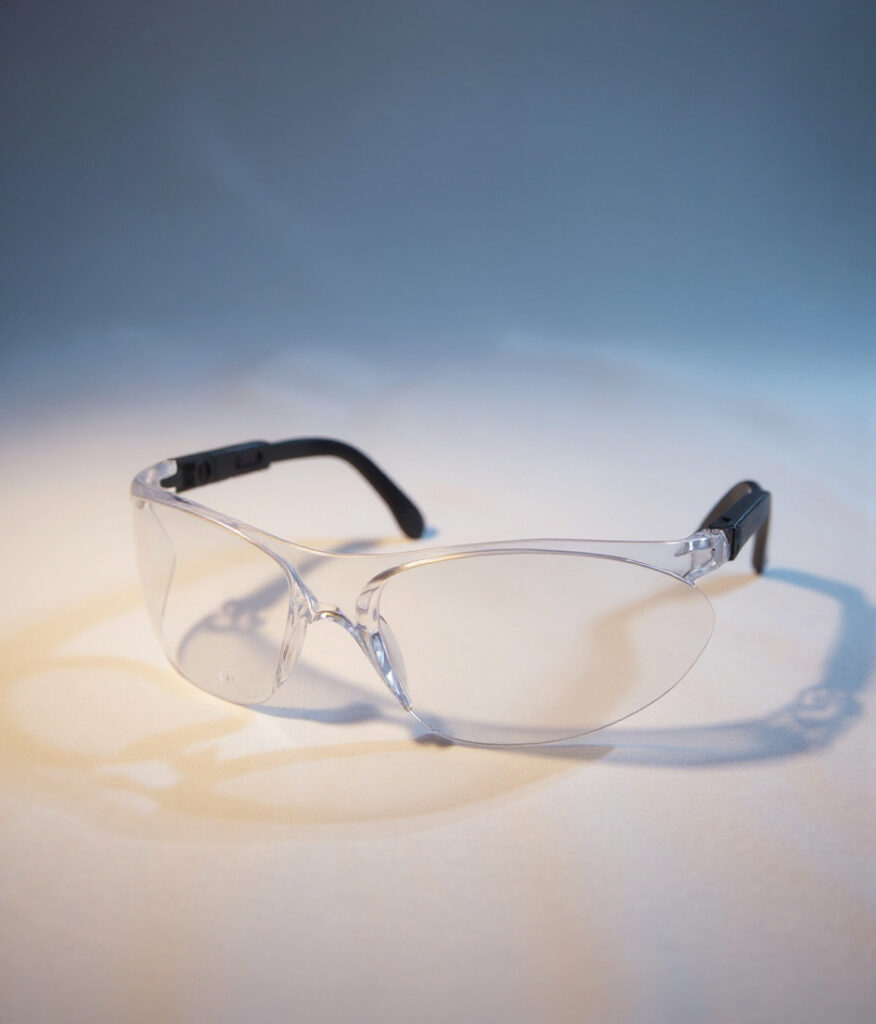
Our stylish line of cost-effective Anti-fog safety glasses come in a wide range of styles, tints and features and are designed to withstand the toughest Canadian work environments, ensuring your team has reliable, fog-free vision all day, every day. We don’t believe in temporary fixes; we believe in permanent solutions.
The Clear Choice for Workplace Safety
Choosing the right anti-fog safety eyewear is a critical decision that impacts your organization’s safety, productivity, and bottom line. By avoiding common pitfalls like chasing the lowest price and ignoring environmental factors, you can equip your team with protection that truly performs.
Don’t let fog compromise your safety standards. Explore Dentec’s full range of advanced anti-fog safety eyewear and see the difference that superior technology and thoughtful design can make.