Choosing the right eye and face protection in Canadian workplaces is essential for meeting safety standards and preventing injuries. In 2025, workers and safety managers across Canada often compare face shields vs. safety glasses to decide which PPE (Personal Protective Equipment) offers the best protection. While both options are CSA Z94.3 compliant, they serve different purposes, face shields offer full-face splash protection, while safety glasses provide high-impact eye protection. This guide breaks down the differences, use cases, and Canadian compliance requirements to help you make the safest choice for your work environment.
Understanding the Basics: Face Shields and Safety Glasses
Before diving into a detailed comparison, let’s define what face shields and safety glasses are:
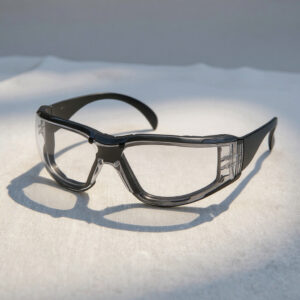
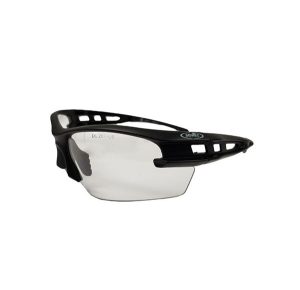
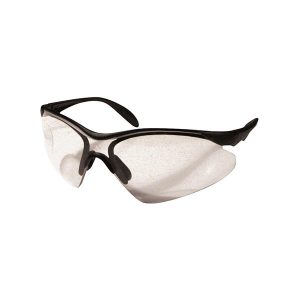
- Safety Glasses: These are protective eyewear designed to shield the eyes from impacts, dust, debris, and splashes. They typically feature lenses made of polycarbonate or other impact-resistant materials and must offer side protection behind the eye for additional protection.
- Face Shields: These are transparent shields that cover the entire face, protecting the eyes, nose, mouth and forehead from hazards such as splashes, sprays, and flying debris. Face shields are often used in conjunction with other PPE, such as safety glasses or respirators, for comprehensive protection.
Key Differences: Face Shield vs. Safety Glasses
| Feature | Safety Glasses | Face Shield |
|---|---|---|
| Coverage | Primarily protect the eyes and immediate surrounding area. | Protect the entire face, including forehead, eyes, nose, and mouth. Depending on the size of the visor or design of the faceshield, it may protect the side of the head back to the ear. |
| Impact Resistance | Designed to withstand high-impact forces, protecting against flying particles and debris. | Offers moderate impact resistance but primarily protects against splashes and sprays. |
| Protection Against Liquids | Provides limited protection against splashes, depending on the design and fit. | Offers excellent protection against splashes, sprays, and airborne droplets. |
| Use Cases | Ideal for tasks involving high-impact hazards, such as grinding, machining, and woodworking. | Also ideal for tasks involving high-impact hazards, such as grinding, machining, and woodworking in addition to applications where a splash hazard may occur such as chemical handling, healthcare, and food processing. |
| Comfort & Fit | Generally lightweight and comfortable for extended wear; various styles and sizes available for a secure fit. | Can be bulky and may require adjustment for optimal comfort; fogging can be an issue in certain environments. Anti-fog treated visors are available. |
| Compliance | Must meet CSA Z94.3 standards for eye and face protection in Canada. | Must meet CSA Z94.3 standards for eye and face protection in Canada. |
| NOTE: When the application calls for the use of a faceshield, the user should always where safety glasses. This is ensure the eyes are protected when the user lifts up the faceshield to look at their work. |
Advantages and Disadvantages
Safety Glasses
Advantages:
- High Impact Protection: Superior protection against flying debris and projectiles.
- Clear Vision: Designed to provide clear, unobstructed vision.
- Comfort: Lightweight and comfortable for all-day wear.
- Versatility: Suitable for a wide range of industries and tasks.
Disadvantages:
- Limited Coverage: Does not protect the entire face.
- Splash Protection: Does not offer protection from splashes.
Safety Glasses
-

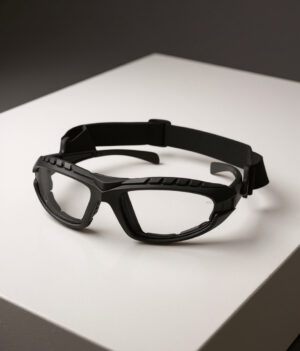
CAMBRIDGE™ CLEAR POLYCARBONATE LENS AF CSA (SOLD IN BOX OF 12)
$120.00 -
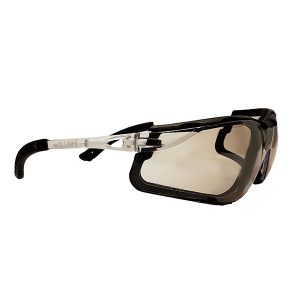
CEETEC™DX AF LENS WITH FOAM CARRIER CSA (SOLD IN BOX OF 12)
Price range: $70.80 through $120.00 -

DUSTDEVIL™ CSA (SOLD IN BOX OF 6)
Price range: $83.40 through $83.70 -
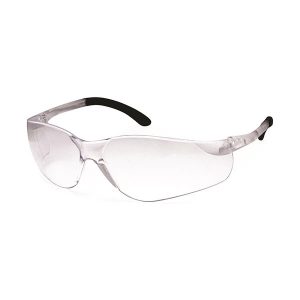
SENTEC™ W/RUBBERIZED TEMPLE TIPS CSA (SOLD IN BOX OF 12)
Price range: $22.80 through $48.00 -
SENTEC™DX W/RUBBERIZED TEMPLE TIPS WITH FOAM CARRIER CSA (SOLD IN BOX OF 12)
Price range: $78.00 through $123.60 -
CNC™ LENS W/RATCHET & ADJUSTABLE TEMPLES CSA (SOLD IN BOX OF 12)
Price range: $44.40 through $52.80 -

MANGO™ FRAME WITH RUBBER TIPS CSA (SOLD IN BOX OF 12)
Price range: $103.20 through $142.80 -
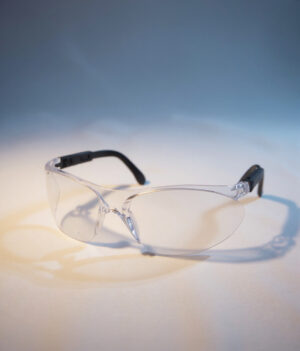
MIRANDA™ FRAME W/PADDLE TEMPLES LENS CSA (SOLD IN BOX OF 12)
Price range: $66.00 through $94.80

Advantages:
- Full Facial Coverage: Protects the entire face from flying debris and projectiles, splashes, sprays.
- Enhanced Protection: Can be used in conjunction with safety glasses for comprehensive protection.
- Hygiene: Prevents the transmission of airborne droplets and contaminants.
Disadvantages:
- Lower Impact Resistance: Not designed for high-impact hazards.
- Comfort Issues: Can be bulky and uncomfortable for extended wear.
- Fogging: Prone to fogging, which can impair vision.
Face Shields


Canadian Standards and Regulations
In Canada, both safety glasses and face shields must meet the requirements of CSA Z94.3, “Eye and Face Protectors.” This standard specifies the performance criteria for impact resistance, optical quality, and other factors to ensure that the PPE provides adequate protection for workers. Employers are responsible for providing appropriate PPE and ensuring that employees are trained on its proper use and maintenance. Canadian Centre for Occupational Health and Safety (CCOHS) provides comprehensive information on PPE standards and regulations in Canada.
Choosing the Right Protection: Factors to Consider
When selecting between face shields and safety glasses, consider the following factors:
- Hazard Assessment: Identify the specific hazards present in the workplace, such as impact hazards, splash hazards, or airborne contaminants.
- Task Requirements: Determine the level of protection required for each task, considering the potential for eye and face injuries.
- Comfort and Fit: Choose PPE that is comfortable to wear for extended periods and fits properly to ensure adequate protection.
- Compatibility: Ensure that the chosen PPE is compatible with other safety equipment, such as respirators or hard hats.
- Regulatory Compliance: Verify that the PPE meets CSA Z94.3 standards for eye and face protection in Canada.
Dentec Safety Specialists: Your Partner in Workplace Safety
Dentec Safety Specialists is committed to providing high-quality PPE solutions that meet the needs of Canadian workers. Our range of safety glasses and face shields are designed to offer superior protection, comfort, and compliance with industry standards. Explore our products to find the perfect solution for your workplace safety needs.
Conclusion
Both face shields and safety glasses play a vital role in protecting workers from eye and face injuries in Canada. Safety glasses offer superior impact resistance, while face shields provide comprehensive protection against splashes and sprays. By understanding the key differences between these two types of PPE and considering the specific hazards present in your workplace, you can choose the right protection to ensure a safe and healthy work environment.
Key Takeaways:
- Safety glasses and facesheilds provide protection from high-impact hazards.
- Face shields are best for splash and spray protection.
- Both must meet CSA Z94.3 standards in Canada and ANSI Z87.1 for the United states.
- Consider the specific hazards and task requirements when choosing PPE.
Explore Dentec Safety Specialists’ range of PPE to find the perfect solution for your safety needs.