
If you plan to escape the cold this winter, you need to think about mosquito protection as much as your passport.
Travel Advisory: Chikungunya Risk For China And Beyond
As of November 18, 2025, the Government of Canada updated its travel advisory for China to highlight chikungunya as a concern, with a Level 2 notice advising travellers to “exercise enhanced health precautions.” Other destinations, including parts of the Caribbean and Asia, also report increased chikungunya activity.
Chikungunya is a viral infection spread through the bite of an infected mosquito. Symptoms usually start 3–7 days after a bite and can include fever, rash, intense joint pain, fatigue, headache, nausea, and vomiting. Most people recover in about a week, but some experience joint pain that can last months or even years. There is a vaccine available in Canada, but bite prevention still plays a key role in reducing risk.
You can read more directly from the Government of Canada’s travel health notices and chikungunya advice: https://www.canada.ca/en/public-health/services/diseases/chikungunya/prevention-chikungunya.html
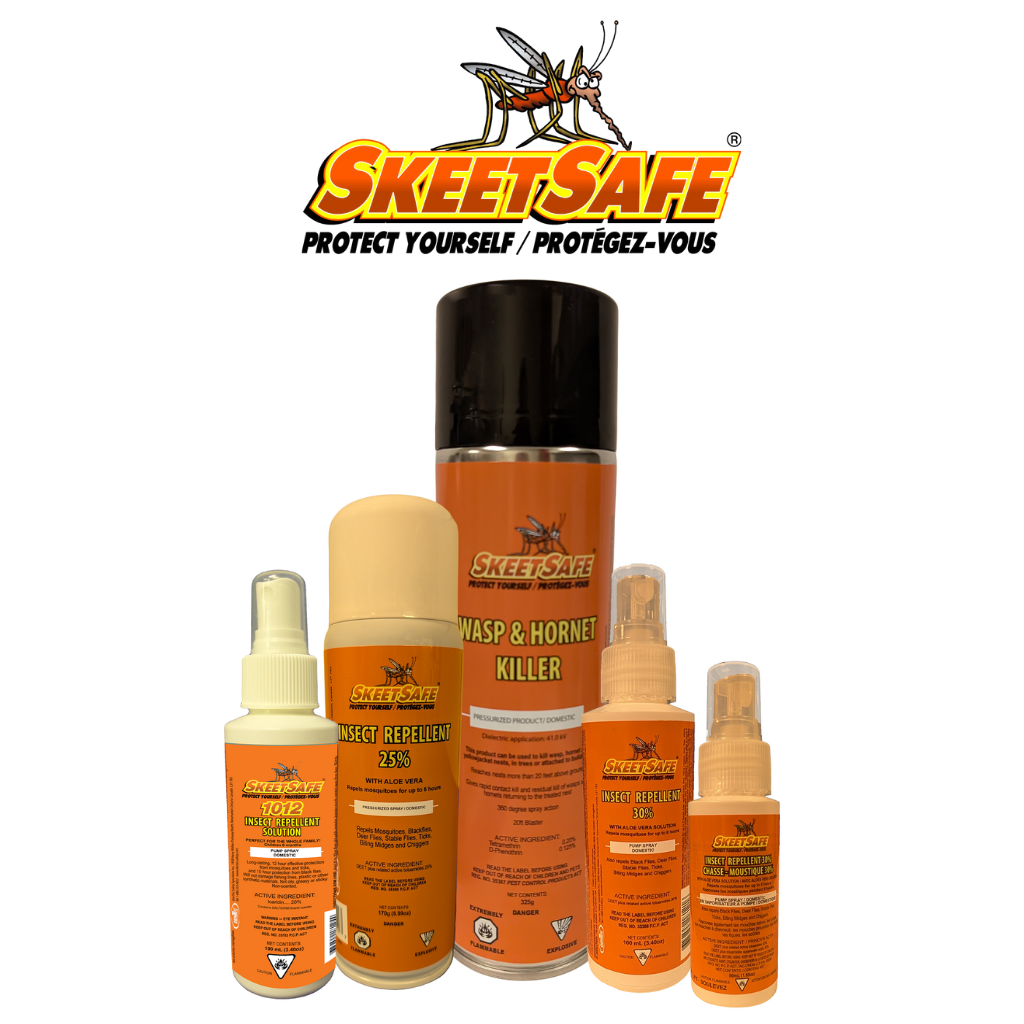
Meet SKEETSAFE™ 1012: Long-Lasting, DEET-Free Formula

Dentec’s new SKEETSAFE™ Liquid Spray Insect Repellent 1012 is designed for travellers, outdoor workers, and anyone spending long periods outside.
- Active ingredient: 20% Icaridine (also known as Picaridin)
- Protection time: Up to 12 hours against mosquitoes and ticks, and 10 hours against black flies
- Format: Compact 100 ml (3.40 oz) bottle for easy packing
- DEET-free: Will not damage fishing lines, plastic, or other synthetic materials
- Use case: Ideal for winter travel to warmer climates, camping, hiking, and outdoor work
Icaridine is recognized by Health Canada as one of the approved active ingredients in personal insect repellents, alongside DEET and others, when used as directed. With SKEETSAFE™ 1012, you get long-lasting protection without the smell or material concerns often associated with DEET-based products.
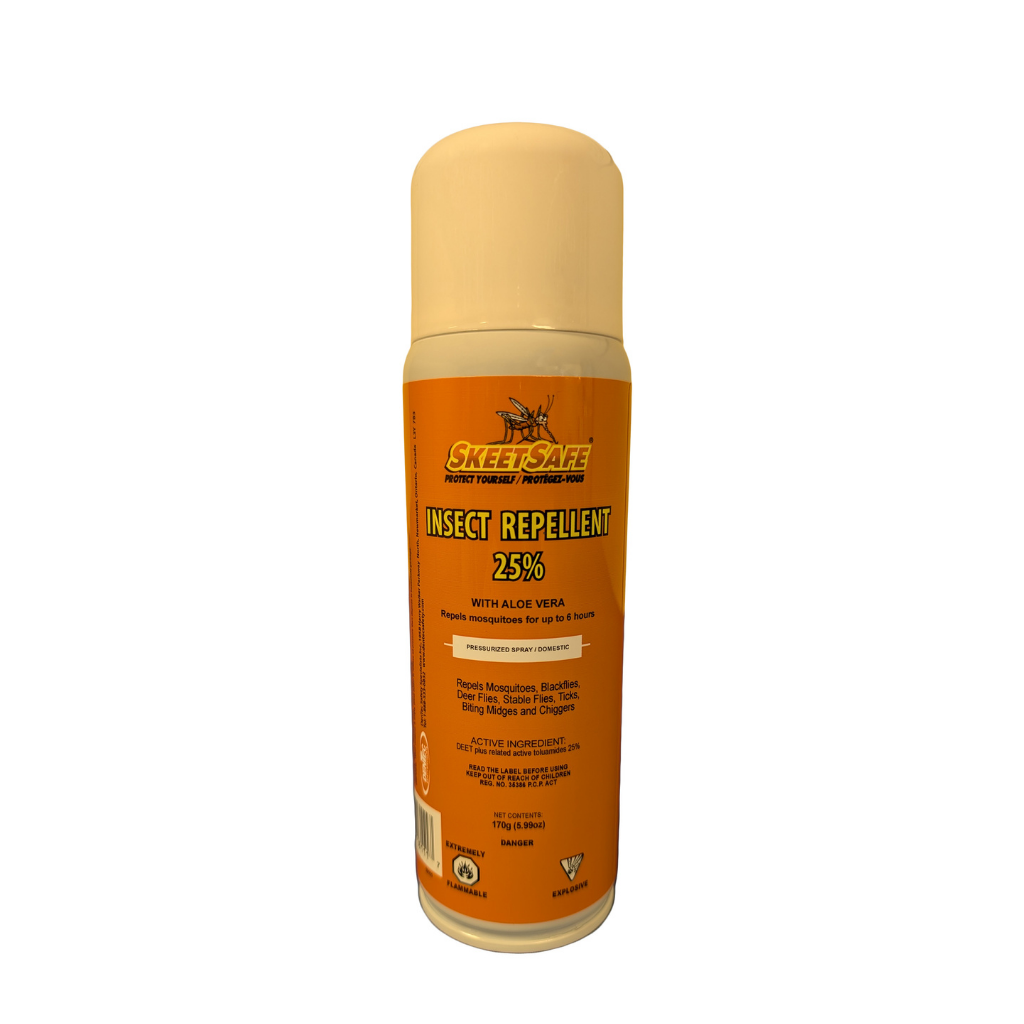
For users who still prefer DEET formulas, Dentec also offers SKEETSAFE™ liquid and aerosol insect repellents with 25–30% DEET for up to 6–8 hours of protection.



Check out: Which Insect Repellent Is Best? DEET vs. Picaridin vs. Natural Options – Dentec Safety Specialists | Canada
Simple Tips To Reduce Your Risk
You lower your risk of chikungunya and other mosquito-borne diseases when you combine repellent with basic protective habits.
- Apply an approved insect repellent on exposed skin, following the label instructions.
- Wear long sleeves, long pants, and light-coloured clothing when possible.
- Use mosquito nets or stay in well-screened or air-conditioned rooms if local accommodation is not well sealed.
- Avoid areas with standing water where mosquitoes can breed.
Think of your strategy in layers: clothing, nets, and a strong, long-lasting repellent like SKEETSAFE™ 1012.
FAQ: Insect Repellent, Travel, And Chikungunya
1. Why is Canada warning travellers about chikungunya in China?
The Public Health Agency of Canada now lists chikungunya as a specific health concern for travellers to China, especially in some southern regions, and advises “enhanced health precautions.” This is due to the presence of mosquitoes capable of transmitting the virus in affected areas. ( https://www.rheumatologyadvisor.com/news/chronic-joint-pain-may-persist-for-years-after-chikungunya-infection/)
2. What happens if I get chikungunya?
Most people develop sudden fever and joint pain, often with rash, headache, muscle pain, nausea, or vomiting. Symptoms usually improve within 7–10 days, but some people have lingering joint pain for months or even up to 3 years. ( https://travel.gc.ca/travelling/health-safety/travel-health-notices/540)
3. Is there a chikungunya vaccine?
Yes, a chikungunya vaccine is authorized and available in Canada. Travellers, especially pregnant people, adults over 65, and those with chronic conditions, should discuss vaccination with a health care provider well before departure. (https://www.canada.ca/en/health-canada/services/about-pesticides/insect-repellents.html)
4. Is a DEET-free repellent like SKEETSAFE™ 1012 effective?
Yes. Icaridine (Picaridin) is listed by Health Canada as an effective active ingredient for personal insect repellents when used according to label directions. At 20%, as in SKEETSAFE™ 1012, it provides long-lasting protection against mosquitoes, ticks, and black flies, comparable to high-concentration DEET, and will not damage plastics or synthetic materials.
5. Do I still need to cover up if I use insect repellent?
Yes. Repellent is one layer of protection, and clothing is another. Public health guidance recommends using repellent, wearing long sleeves and pants, and using nets or screened accommodations together for best protection. (https://www.ctvnews.ca/canada/article/canada-updates-china-travel-advisory-due-to-chikungunya-risk/)
6. When should I start using insect repellent on my trip?
You should start as soon as you arrive in areas where mosquitoes are active, and reapply according to the product label. The mosquitoes that spread chikungunya can bite during the day and night, so consistent use is important.