As winter settles in, workers who perform tasks at heights face an increased set of challenges. Working from heights already carries inherent risks, but cold weather brings additional hazards such as reduced dexterity, icy surfaces, and the dangers of cold stress. At Dentec Safety, we prioritize equipping workers and employers with the necessary knowledge and tools to stay safe in these demanding conditions. Learn the risks associated with working at heights in cold weather and understand best practices to mitigate these dangers effectively.
Cold Stress Hazards

Cold temperatures, wind, and wet conditions can lead to serious health issues such as frostbite, hypothermia, and trench foot. When combined with the risks of working at heights, cold stress can significantly impair a worker’s ability to perform tasks safely, increasing the likelihood of falls and other accidents.
Symptoms of Cold Stress
Recognizing the signs of cold stress is crucial for preventing serious health conditions. Symptoms include:
- Shivering and loss of coordination
- Numbness or tingling in extremities
- Slurred speech and confusion
- Fatigue and dizziness
If a worker experiences these symptoms while working at heights, they should stop working immediately, seek warmth, and alert their supervisor.
Control Measures for Cold Weather Safety
To ensure safety while working from heights in winter, Dentec Safety recommends implementing the following control measures:
Dress for the Cold
- Wear layered, moisture-wicking clothing to maintain body heat and keep dry.
- Use insulated gloves that provide warmth while allowing for dexterity in handling tools and equipment.
- Wear insulated and slip-resistant boots to prevent falls on icy surfaces.
- Use a thermal face covering or balaclava to protect exposed skin from frostbite.
- Protective Clothing: Choose protective clothing suitable for the temperature, work being performed, and physical exertion required.
- Providing employees with thermal insulation products such as Thermo-Heat Winter Liners and HOTTEC Hand and Toe Warmers can help them stay warm and comfortable during cold temperatures.
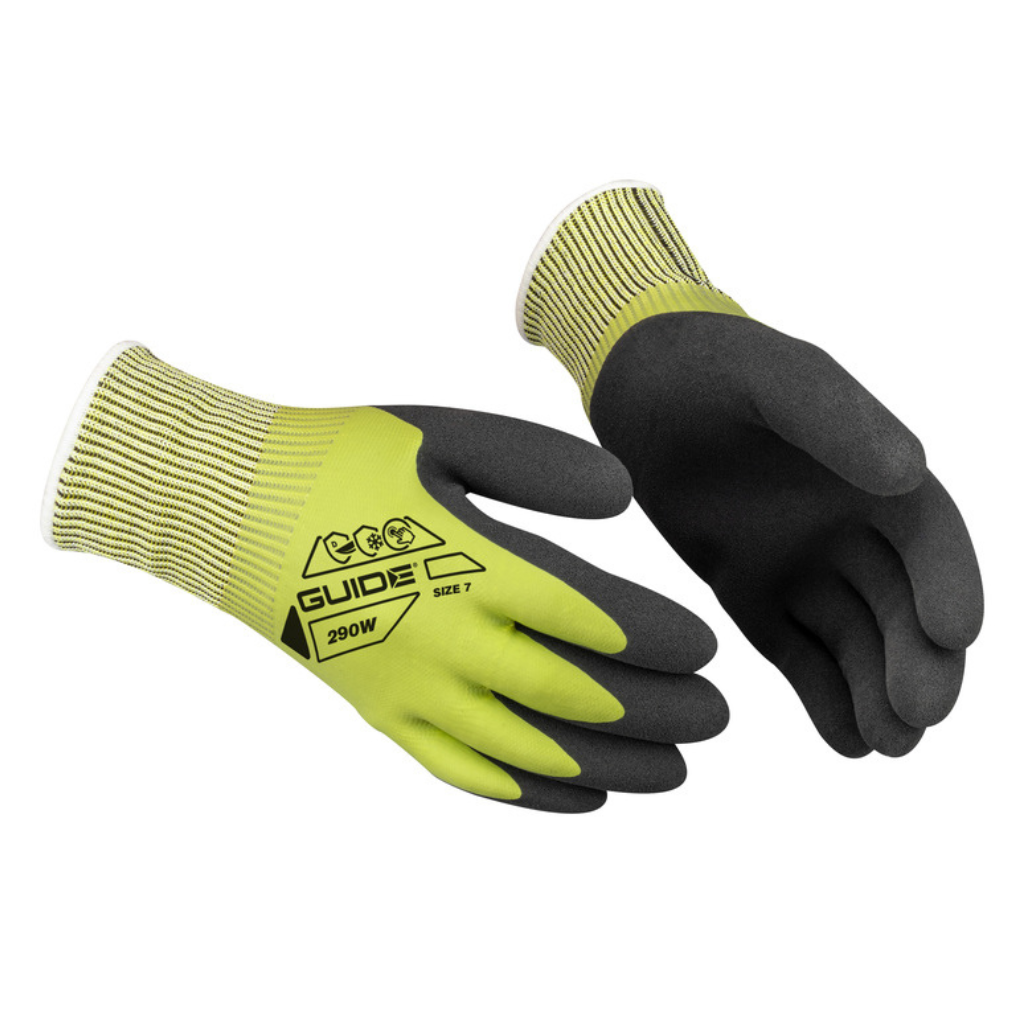
- Recommended Winter Gloves: Insulated and waterproof gloves, like GUIDE’S 290W Cold Temperature Glove, can help maintain grip and flexibility in freezing conditions without compromising dexterity.

Face and Eye Protection
- Face Protection: In extreme cold, consider face masks or shields to protect against frostbite.
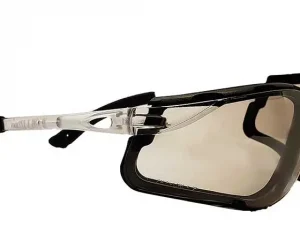
- Anti-fog Eyewear: Cold weather can cause eyewear to fog up, reducing visibility and increasing the risk of accidents. CSA Approved Anti-Fog Safety Glasses provide clear vision in harsh conditions, ensuring workers maintain a high level of awareness.
Implement a Customized Hydration Program

- Cold weather can mask the sensation of thirst, leading workers to overlook the need for hydration. Adequate hydration is a key factor in preventing cold stress. When the body is well-hydrated, it can regulate temperature more effectively and is less susceptible to cold-related illnesses like hypothermia and frostbite.
- Use electrolyte-replenishing drinks that are designed to keep employees hydrated even in chilly conditions. Sqwincher is a great option to provide necessary electrolytes and maintain energy levels throughout the workday.
Use Proper Fall Protection Equipment
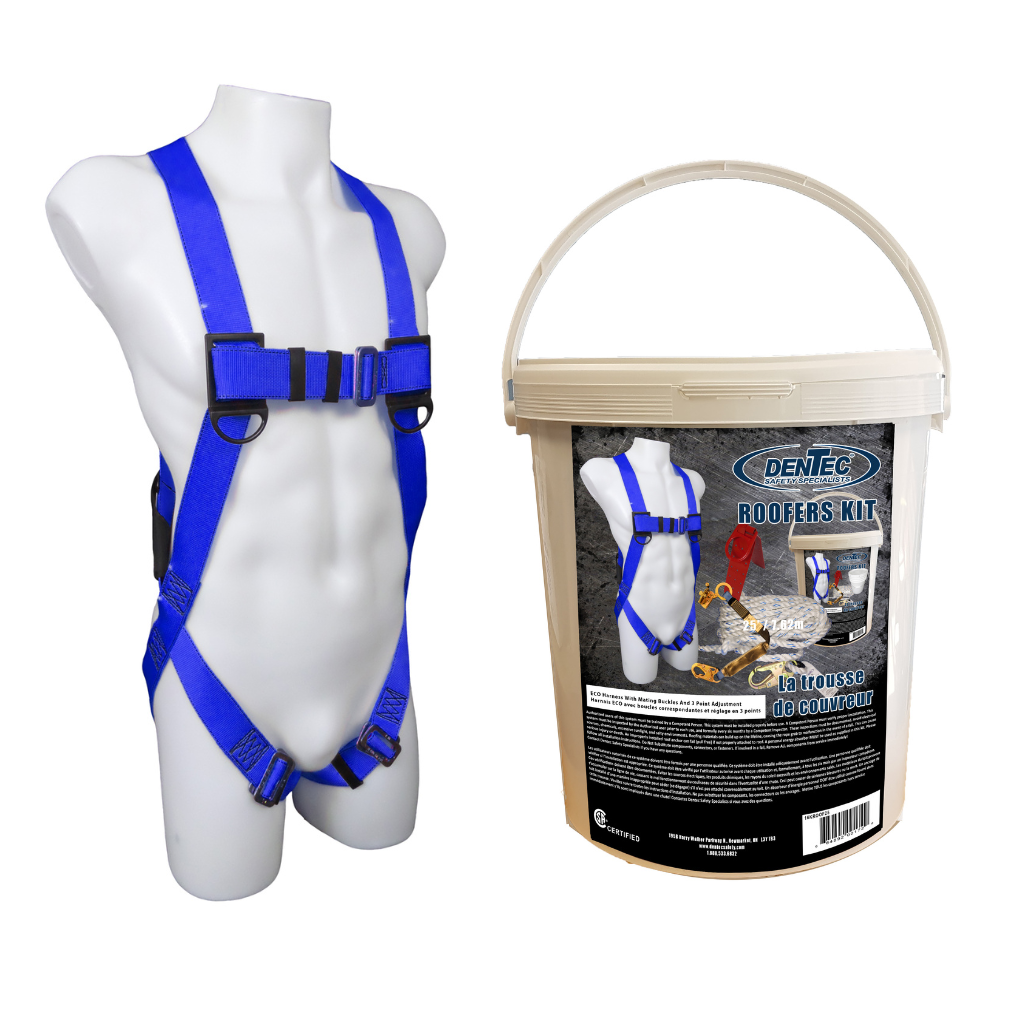
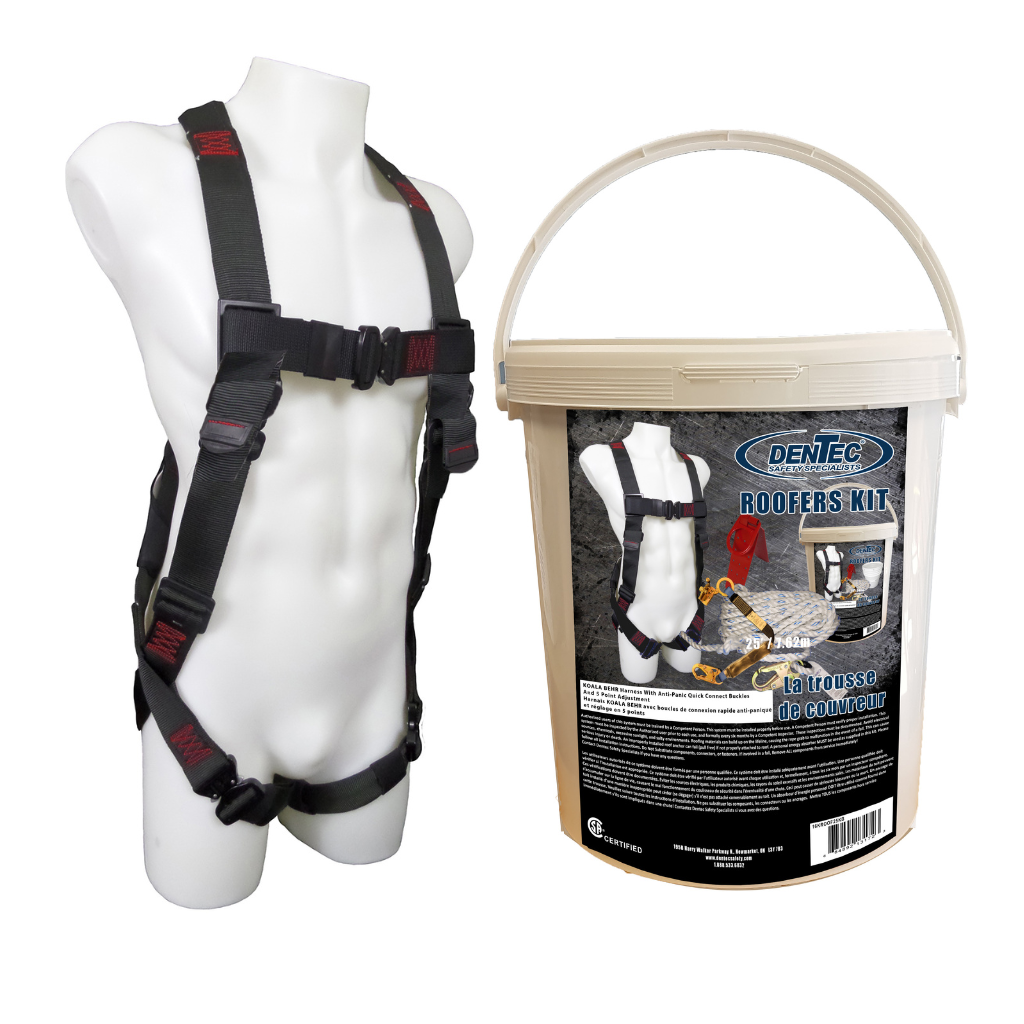
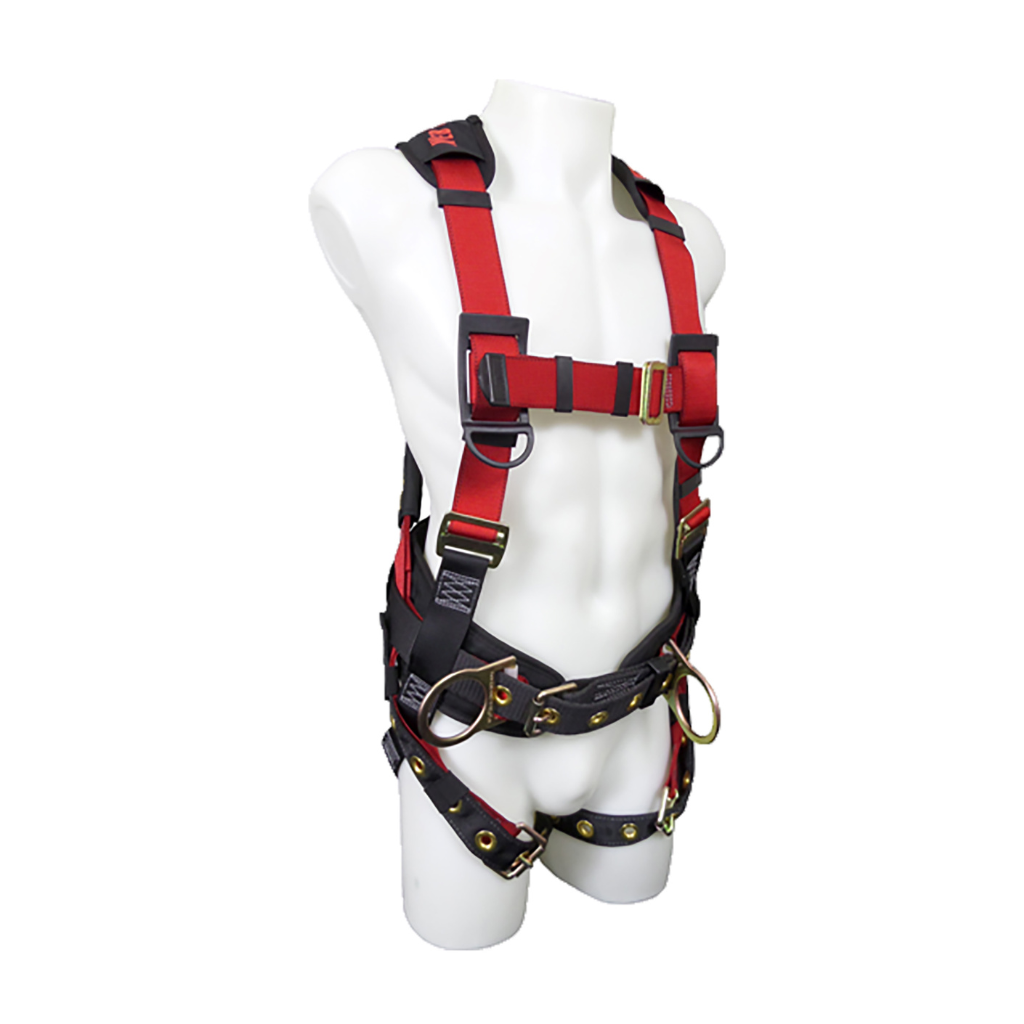
- Always wear a properly fitted full-body harness with shock-absorbing lanyards.
- Ensure fall protection equipment remains free of ice, snow, and moisture, as frozen components can become brittle and ineffective.
- Dentec’s CSA-approved Fall Protection Products, including harnesses and lanyards, provide essential safety measures and maximum comfort to minimize fall risks in extreme weather conditions.
- Inspect all harnesses, lanyards, and anchors before each use to ensure they function correctly in cold temperatures.
Prevent Slips and Falls
- Keep ladders and scaffolding free of ice and snow before climbing.
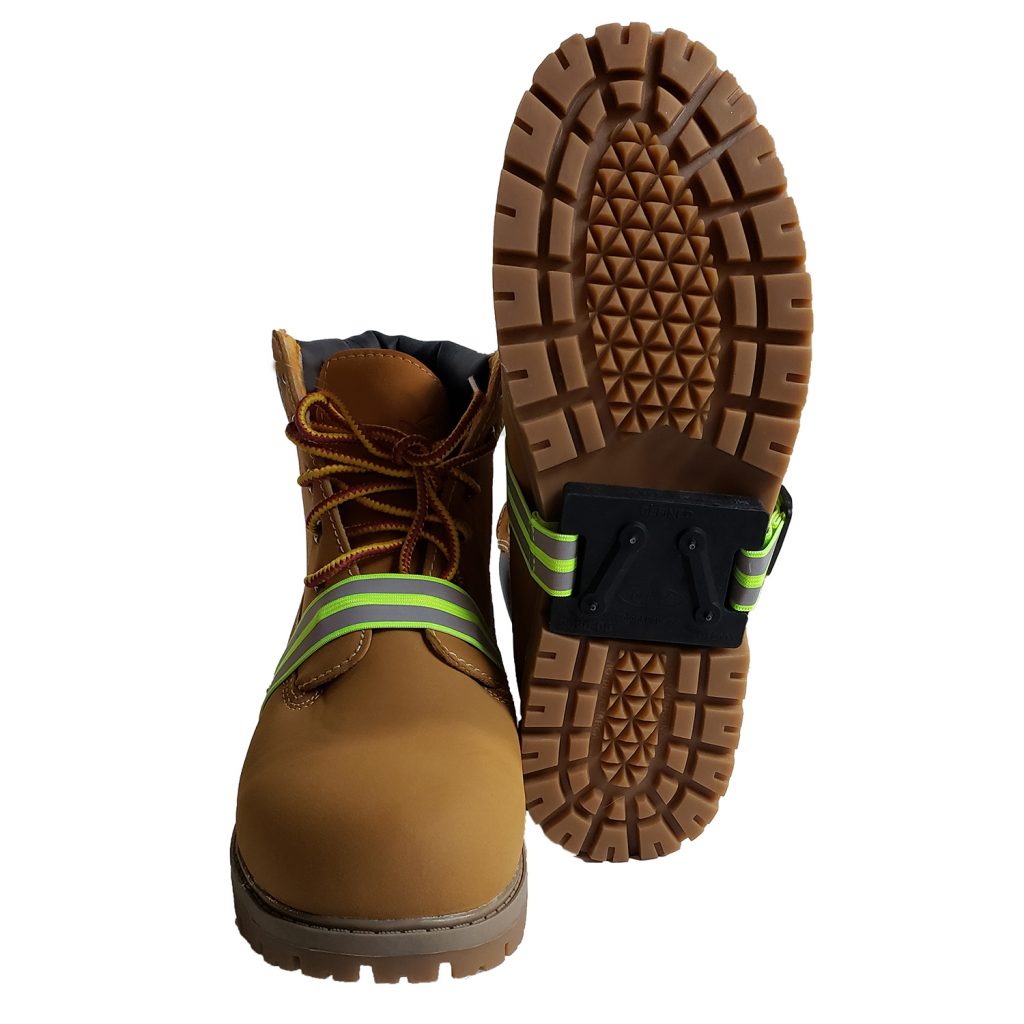
- Wear and provide employees Ice Cleats for their footwear to ensure traction on walking surfaces.
- Maintain three points of contact when using ladders to minimize the risk of slipping.
Monitor Weather Conditions
- Postpone work when high winds, freezing rain, or extreme cold make working at heights too dangerous.
- Provide workers with scheduled warm-up breaks in heated areas to prevent cold stress.
- Use windbreaks or portable heaters in work zones to reduce wind chill effects.
Conduct a Risk Assessment
- Before beginning work, assess the specific hazards related to cold weather conditions at the job site.
- Implement an emergency response plan for cold-related illnesses and injuries.
- Train workers to recognize cold stress symptoms and proper use of fall protection systems in winter conditions.
Stay Warm, Stay Safe, Stay Productive
Winter weather presents additional risks for workers operating at heights, but with proper preparation and safety measures, these risks can be effectively managed. At Dentec Safety, we advocate for proactive safety planning, high-quality protective gear, and comprehensive training to keep workers safe during the colder months. By following these guidelines, workers can protect themselves from cold stress, prevent falls, and ensure a safe and productive winter work season.
For more information on winter workplace safety and the best protective equipment for cold weather, contact our safety specialists today.

Dentec Safety Specialists Inc, is a Canadian owned & operated leading manufacturer and distributor of safety products in the North America since 2004. Dentec Safety is dedicated to providing the highest quality safety products and solutions delivering enhanced value and comfort. Our expertise from decades of experience in Industrial Safety and our innovative design technologies have solidified us as thought leaders in the field. Protection and comfort are at the core of everything we do at Dentec. As a leading manufacturer of Safety Solutions, it is our mission to help organizations do the right thing, keep their employees safe and exceed Industry Health & Safety Standard.