Automotive manufacturing plants are fast-paced environments filled with advanced machinery, innovative technology, and unfortunately, a wide range of airborne contaminants. In 2025, maintaining air quality and ensuring proper respiratory protection is more important than ever, especially with evolving workplace safety standards and growing awareness of occupational health risks. Workers in these facilities are regularly exposed to harmful particles, gases, and vapors that can lead to serious health issues if not properly managed.
Thank you for reading this post, don't forget to subscribe!In this blog, we’ll explore the most common airborne hazards in automotive manufacturing, why respiratory protection is essential, and how to choose the correct respirator cartridge based on your specific exposure risks. Understanding your work environment through air sampling and reviewing Safety Data Sheets (SDS) is critical. Ultimately, it is the user’s responsibility to select the appropriate respiratory protection equipment in compliance with workplace safety regulations.
Common Airborne Particles and Recommended Respiratory Cartridges
1. Metal Fumes and Dust
- Source: Welding, grinding, cutting, and other metalworking operations.
- Risks: Exposure can lead to metal fume fever and long-term respiratory damage.
- Recommended Cartridge:
- P100 Particulate Filter: Provides high-efficiency filtration of fine metal particles and fumes, ensuring clean air even in high-exposure areas.

2. Paint and Coating Fumes
- Source: Spraying, painting, and finishing processes.
- Risks: Volatile Organic Compounds (VOCs) like toluene and ethylene glycol can cause respiratory irritation and chronic health issues.
- Recommended Cartridge:
- Organic Vapor Cartridge: Protects against VOCs and paint fumes, making it ideal for workers in paint booths and finishing areas.

3. Plastics and Composite Material Particulates
- Source: Sanding, cutting, or molding synthetic materials.
- Risks: Inhalation of microplastics and composite dust can irritate the respiratory system and lead to pulmonary issues.
- Recommended Cartridge:
- P100 Particulate Filter: Effectively captures fine particulates generated during plastics processing.
4. Chemical Vapors
- Source: Adhesives, solvents, and cleaning agents used in assembly and maintenance.
- Risks: Prolonged exposure can lead to dizziness, organ damage, and chronic respiratory conditions.
- Recommended Cartridge:
- Organic Vapor Cartridge: Filters harmful chemical vapors from adhesives and solvents, providing essential protection.
5. Acidic Gases
- Source: Certain cleaning agents or processes involving corrosive chemicals.
- Risks: Acidic gases like sulfur dioxide or hydrogen chloride can cause serious lung irritation and damage.
- Recommended Cartridge:
- Acid Gas Cartridge: Shields against exposure to corrosive gases, ensuring worker safety in high-risk areas.

6. General Dust and Particulates
- Source: Raw materials, packaging processes, and foot traffic.
- Risks: Dust inhalation, especially if containing silica, can cause chronic respiratory diseases like silicosis.
- Recommended Cartridge:
- P100 Particulate Filter: Blocks fine particulates, including silica, offering comprehensive protection in dusty environments.
7. Mixed Hazards
- Source: Work environments with both particulates and chemical vapors.
- Risks: Exposure to multiple airborne hazards can increase the risk of respiratory issues.
- Recommended Cartridge:
- Combination Filters: Combines particulate and vapor protection for workers in diverse exposure scenarios.


Breathe Easier with Dentec Respirators and Cartridges
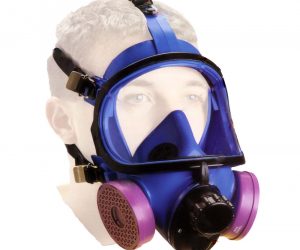
Automotive manufacturing environments present unique respiratory hazards, but with the right protective equipment, you can ensure a safer and healthier workplace. Dentec Safety offers an extensive range of American-made Comfort-Air® respirators—including the 100 Series Silicone, 300 Series Thermoplastic, 400 Series Elastomeric, and 130M Full Face respirator—designed for superior protection, safety, and comfort.
Why Choose Comfort-Air® Respirators?

- Versatile Compatibility: All Comfort-Air® respirators are fully compatible with Dentec’s cartridges and filters, offering interchangeable protection for various hazards.
- Enhanced Safety: Designed with superior materials and advanced sealing technology, our respirators provide a secure fit that reduces leakage, ensuring maximum respiratory protection.
- Unmatched Comfort: Lightweight, ergonomic designs minimize pressure points, making them ideal for extended wear during long shifts.
- Durable and Reusable: Built to last, Comfort-Air® respirators are a cost-effective and eco-friendly alternative to disposable options.
- American Made: Proudly manufactured in the USA, these respirators meet rigorous quality standards and are NIOSH Approved giving you peace of mind about the safety and reliability of your equipment.
With Dentec’s Comfort-Air® series and interchangeable cartridges, you can adapt to any automotive workplace hazard while keeping workers comfortable and protected.


Important Safety Warnings
- Workplace Hazard Evaluation: Selection and applications are guidelines only. Workplace hazards must be evaluated by a qualified Industrial Hygienist to determine the appropriate respirator, cartridge, and filter, as well as use limitations.
- Regulatory Compliance: Respirators must be selected, fitted, used, and maintained in accordance with MSHA, OSHA, and other applicable regulations, as well as ANSI Z88.2 standards.
- Use Concentration Limits: Do not exceed maximum use concentrations established by regulatory guidelines:
- Half-Mask Respirators: Not suitable where contaminant concentrations exceed 10 times the PEL or TLV.
- Full Facepiece Respirators: Not suitable where contaminant concentrations exceed 50 times the PEL or TLV.
- Proper Use and Maintenance: Always read and understand the instructions provided with the respirator and the cautions listed on the enclosed NIOSH approval matrix before use.
- Limitations of Respirators: While respirators reduce exposure to certain contaminants, they do not eliminate exposure or risk entirely. Misuse or failure to follow warnings may result in sickness or even death.
For proper selection and use of respiratory protection, consult a qualified safety professional or contact Dentec Safety Specialists at 1-888-533-6832.
Explore our full range of American-made respirators and cartridges here and give your team the respiratory protection they deserve.